


Jan 2026
Explores a hypothetical UX audit and redesign concept for a telecom wholesale portal, focusing on improving clarity, discoverability, accessibility, and B2B conversion experience.
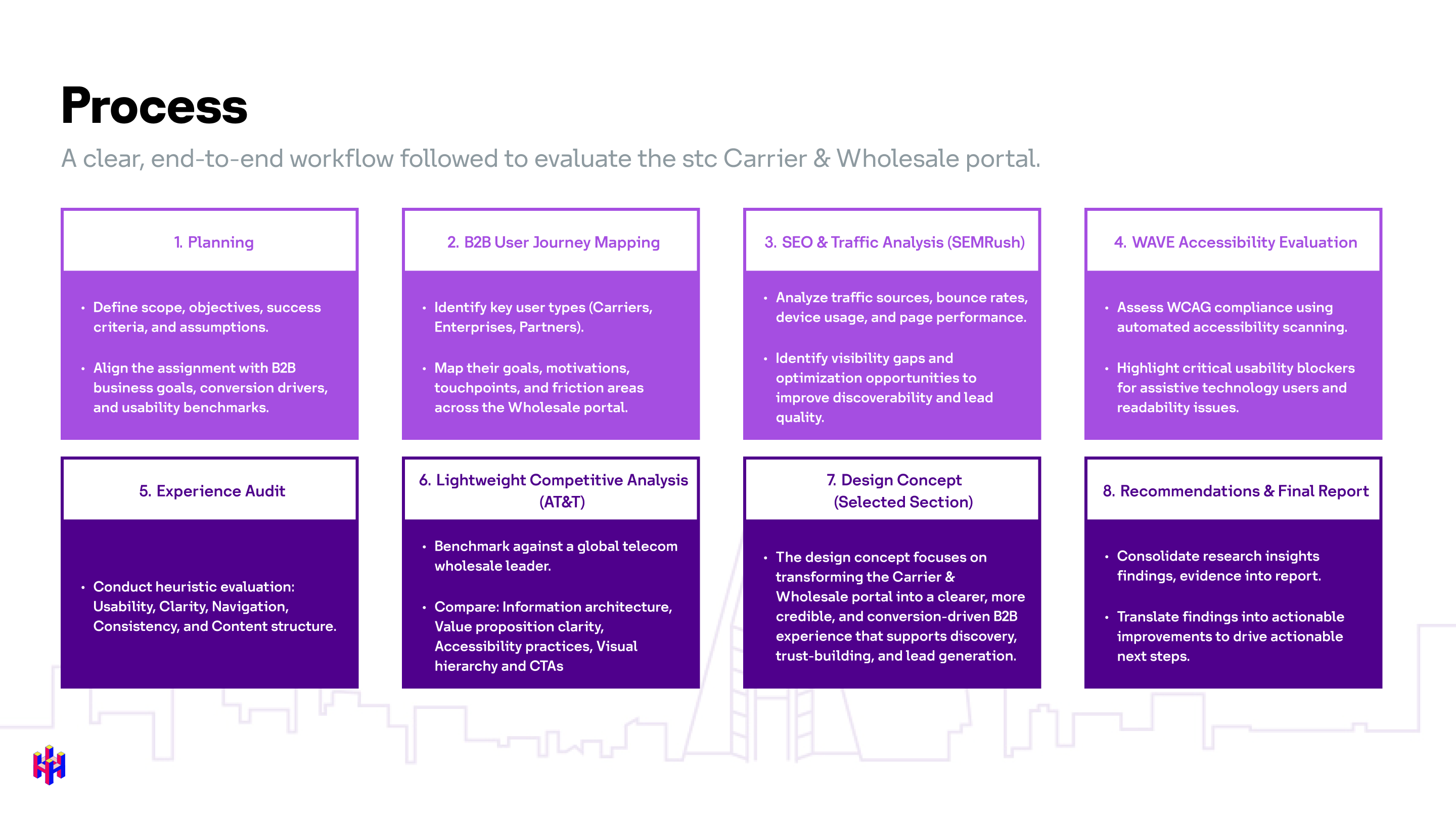
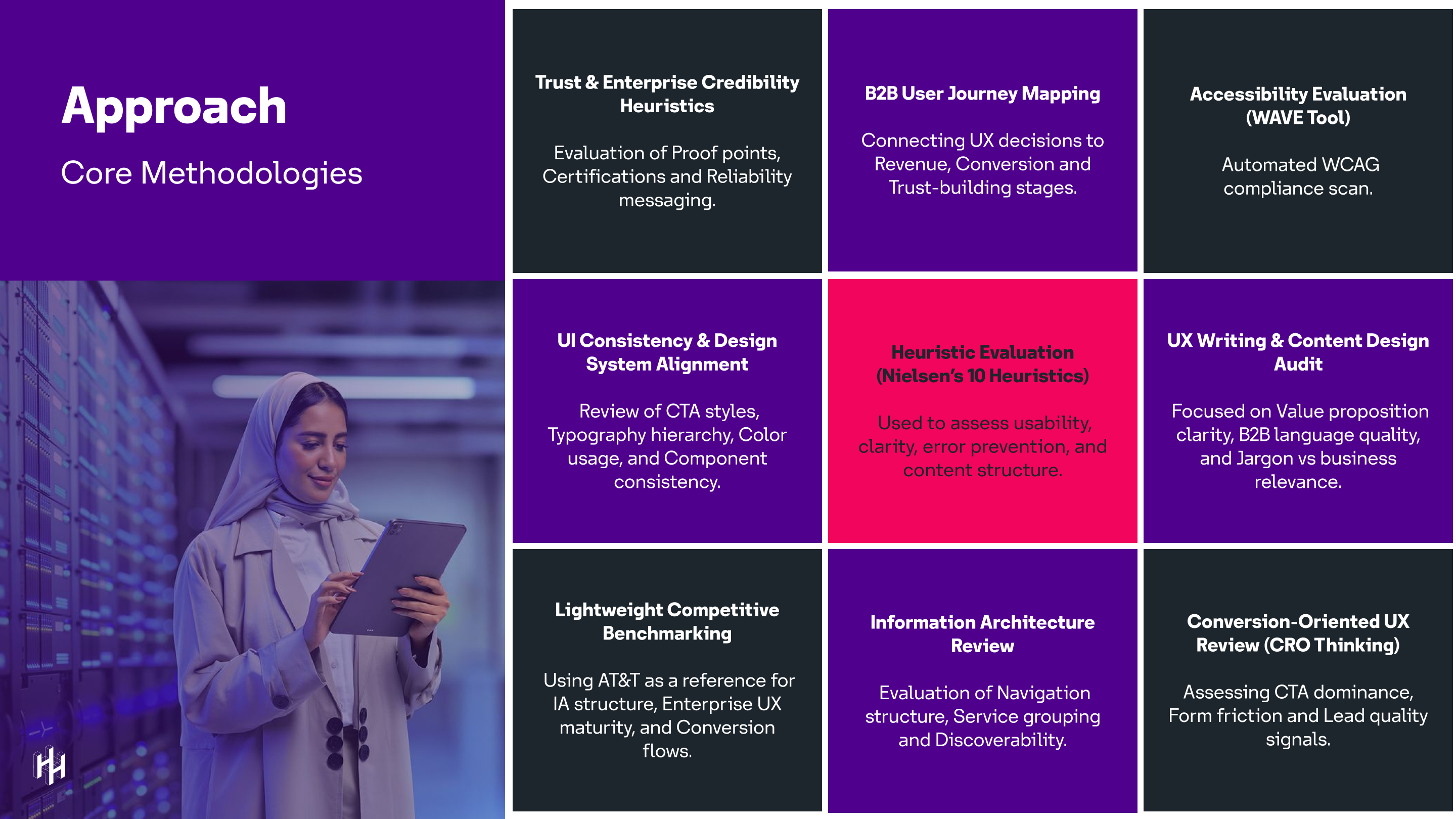
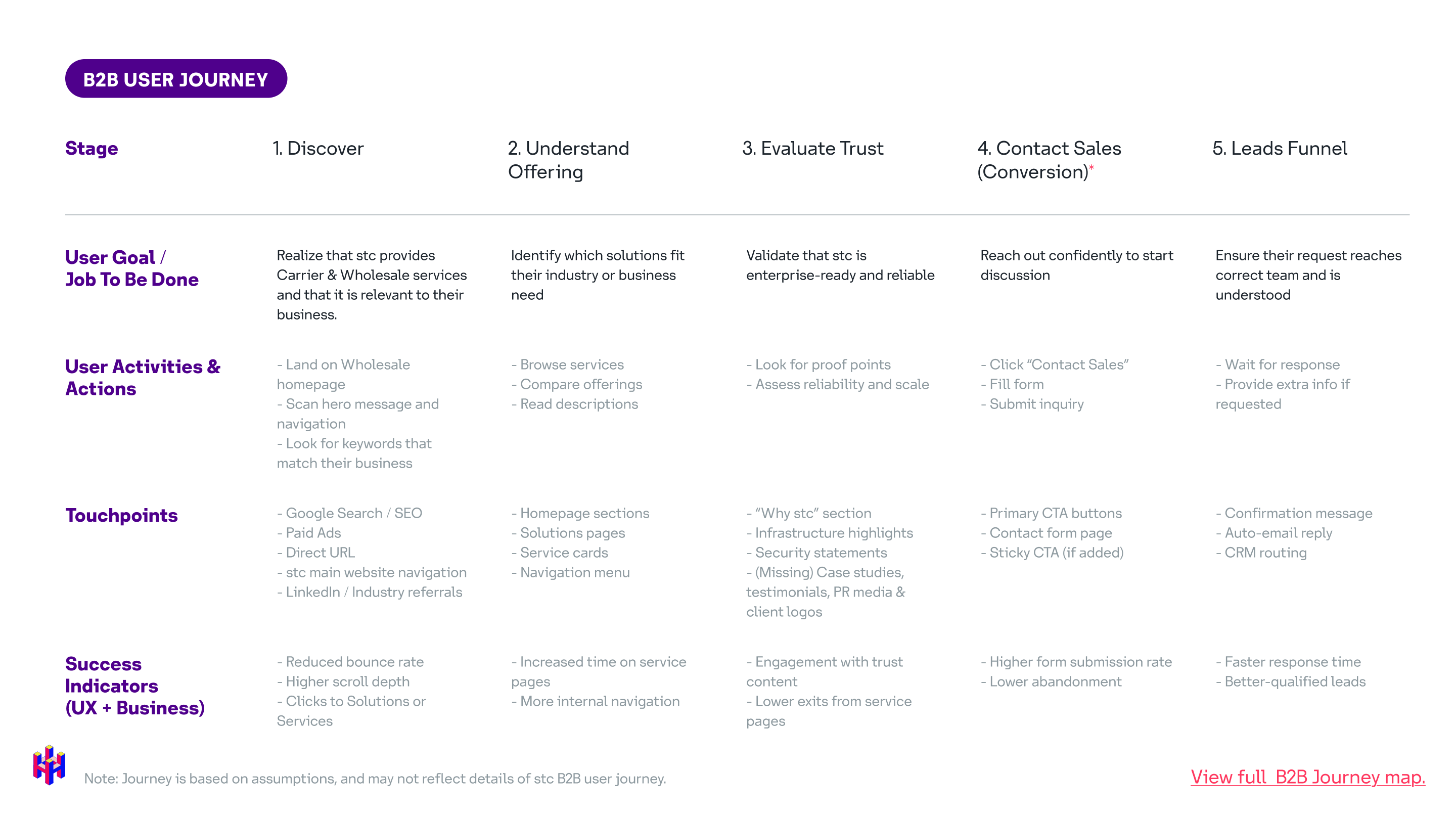
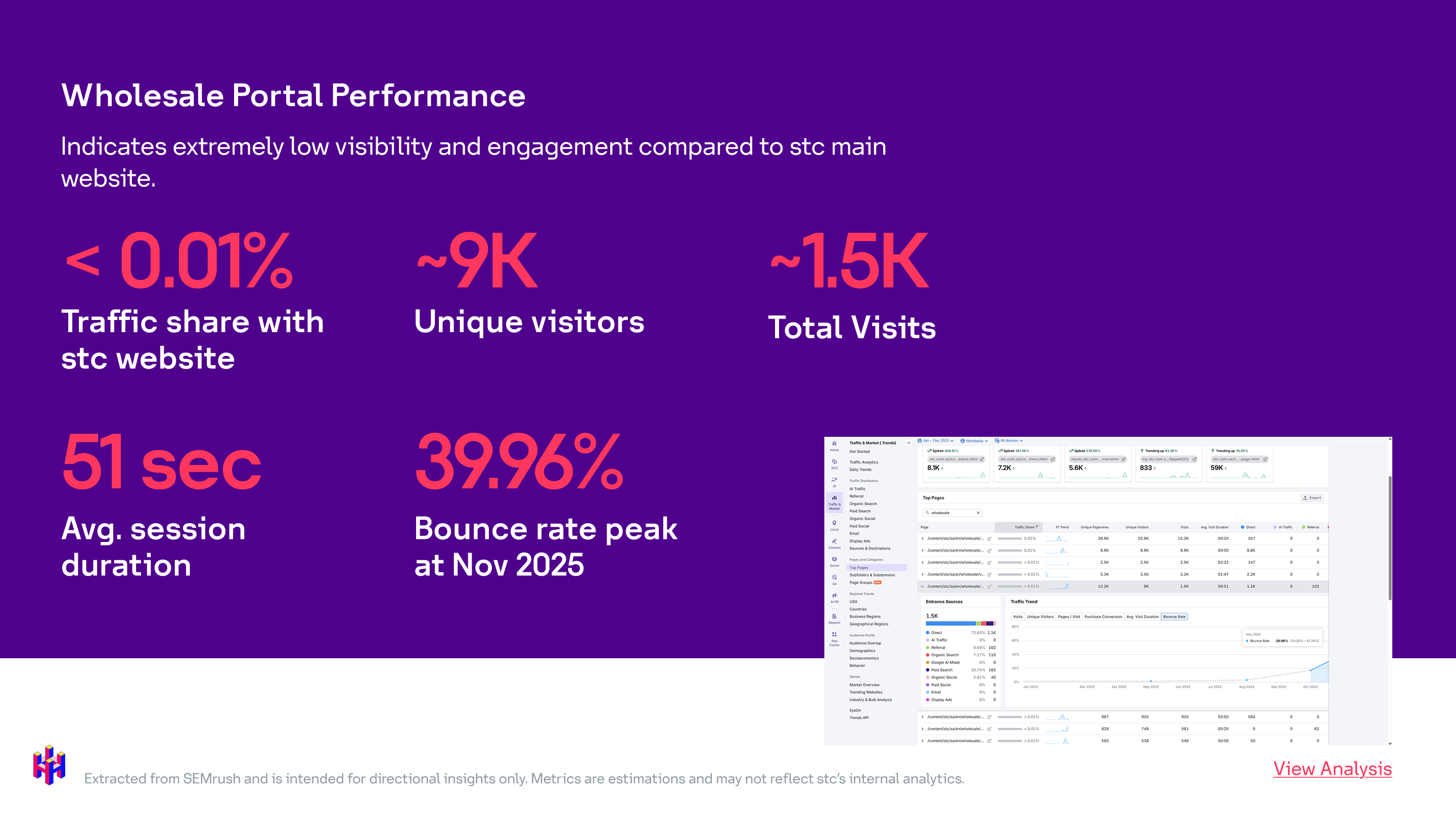
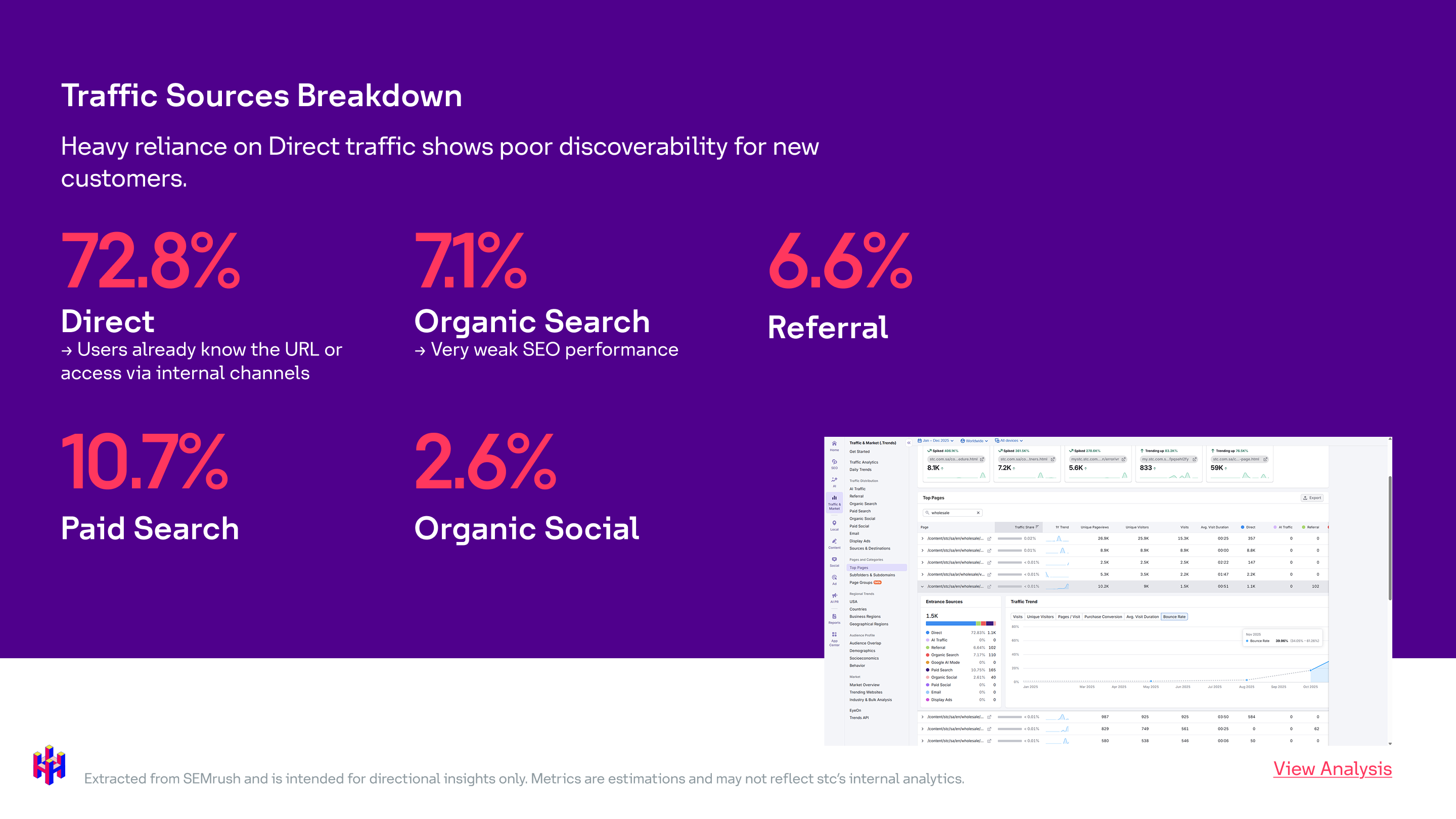
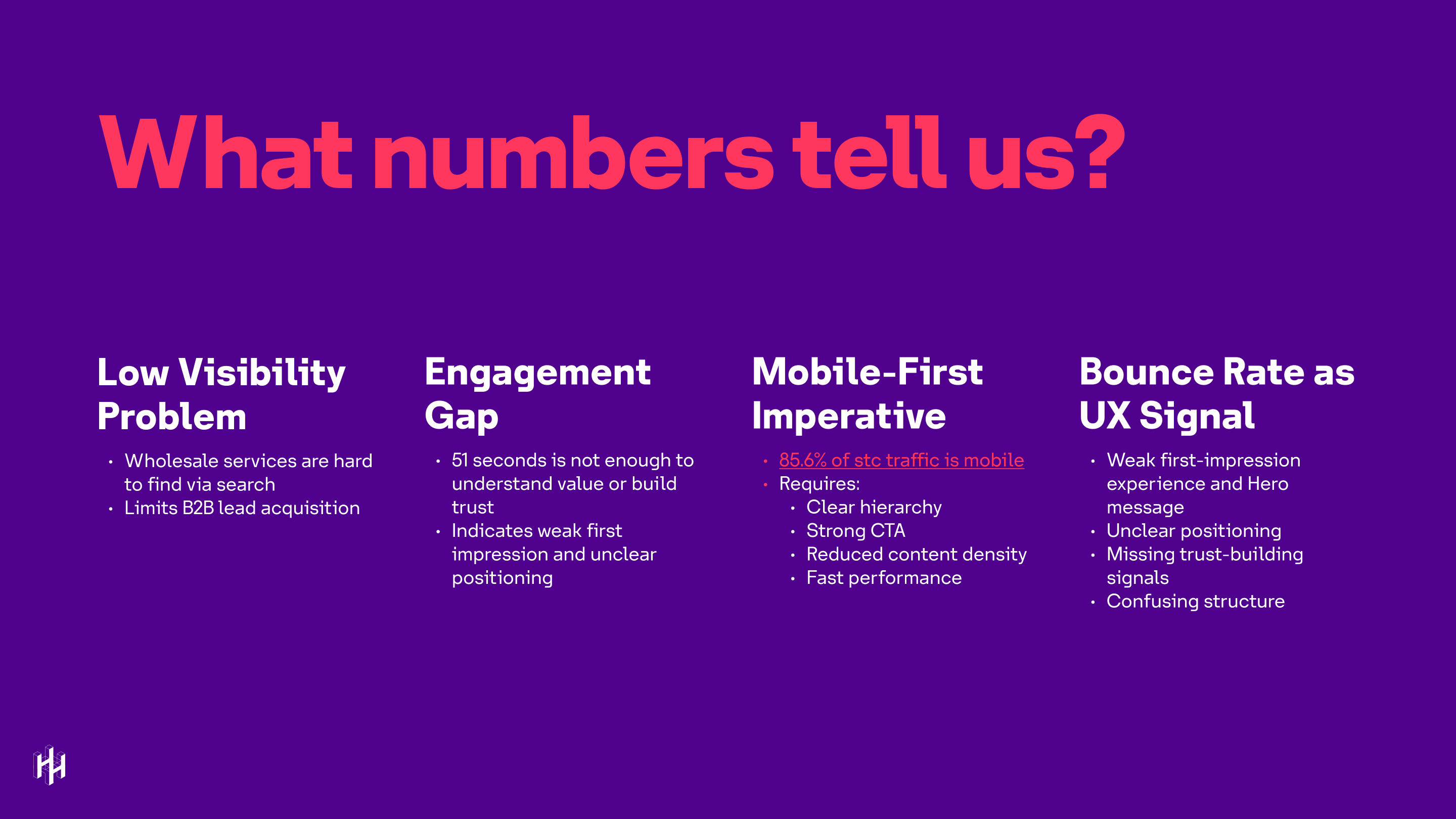
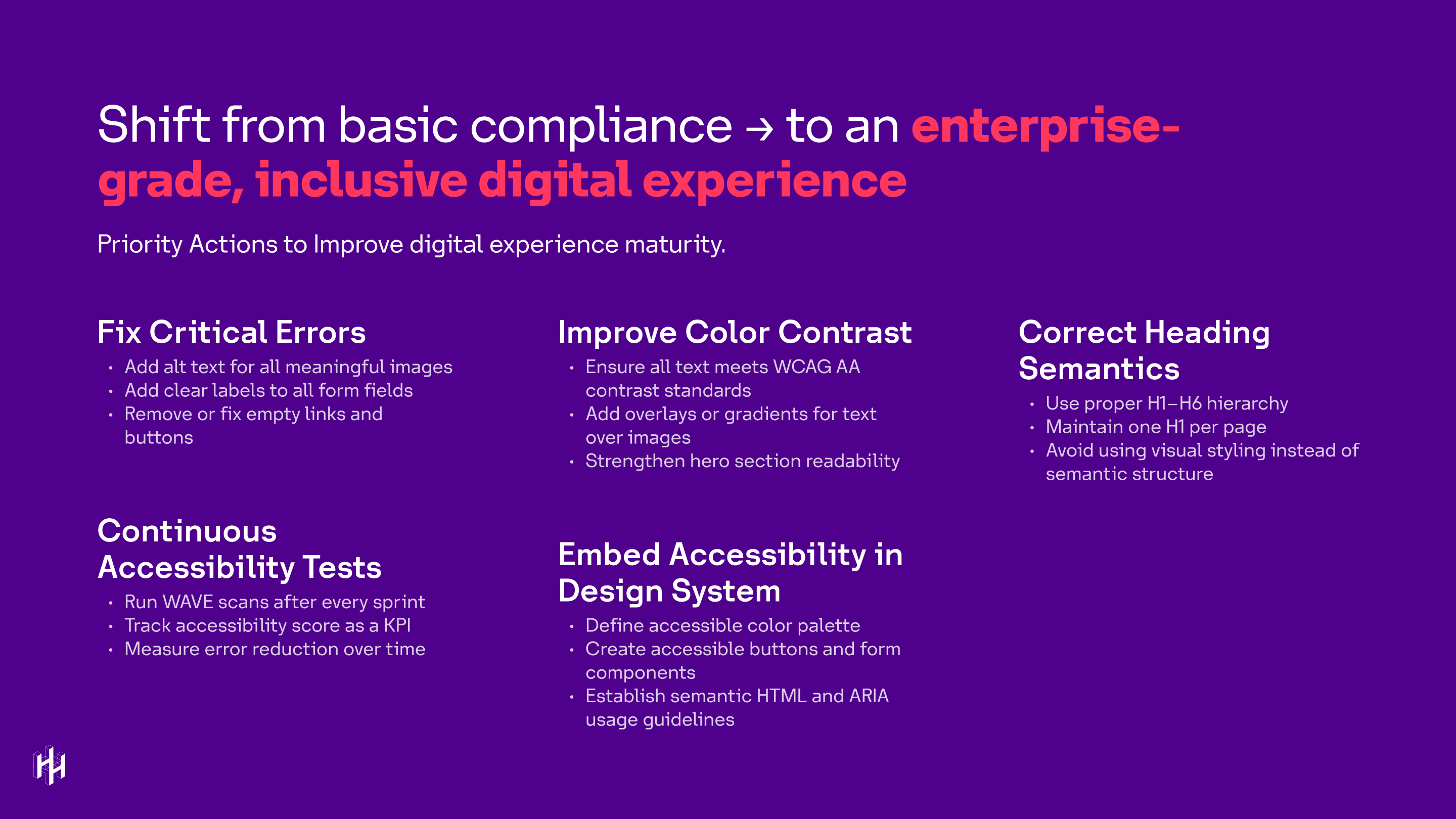
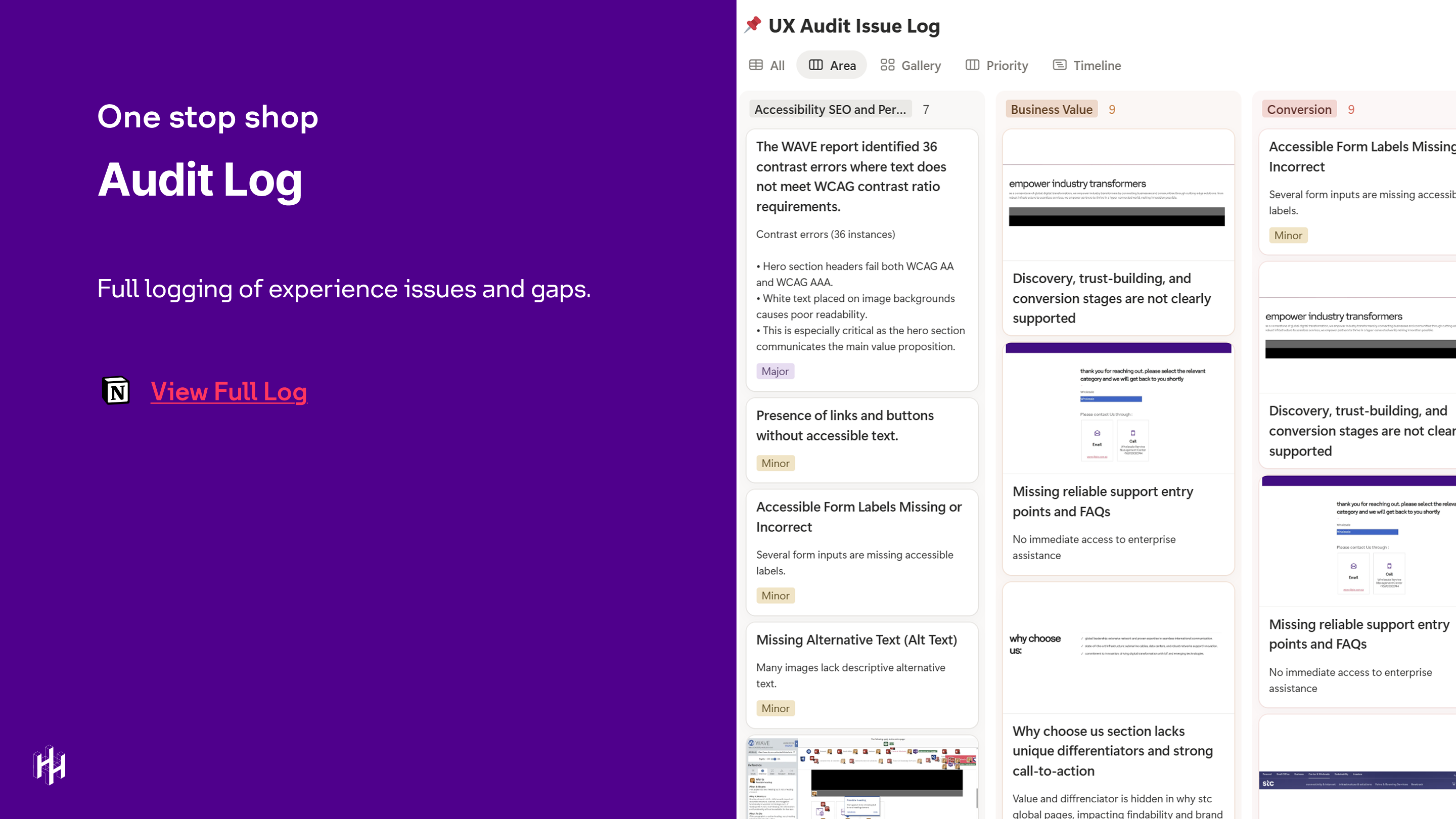
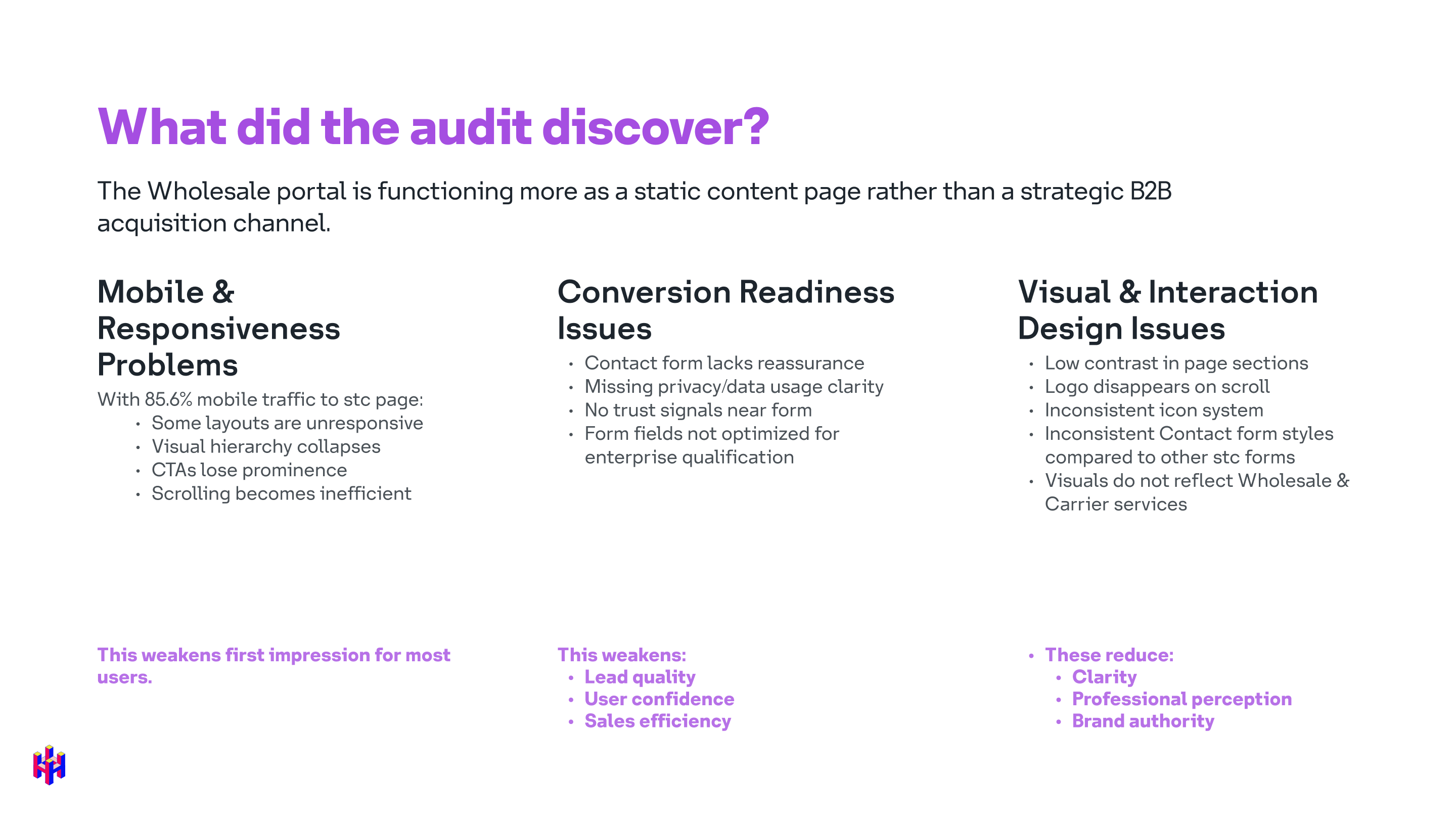
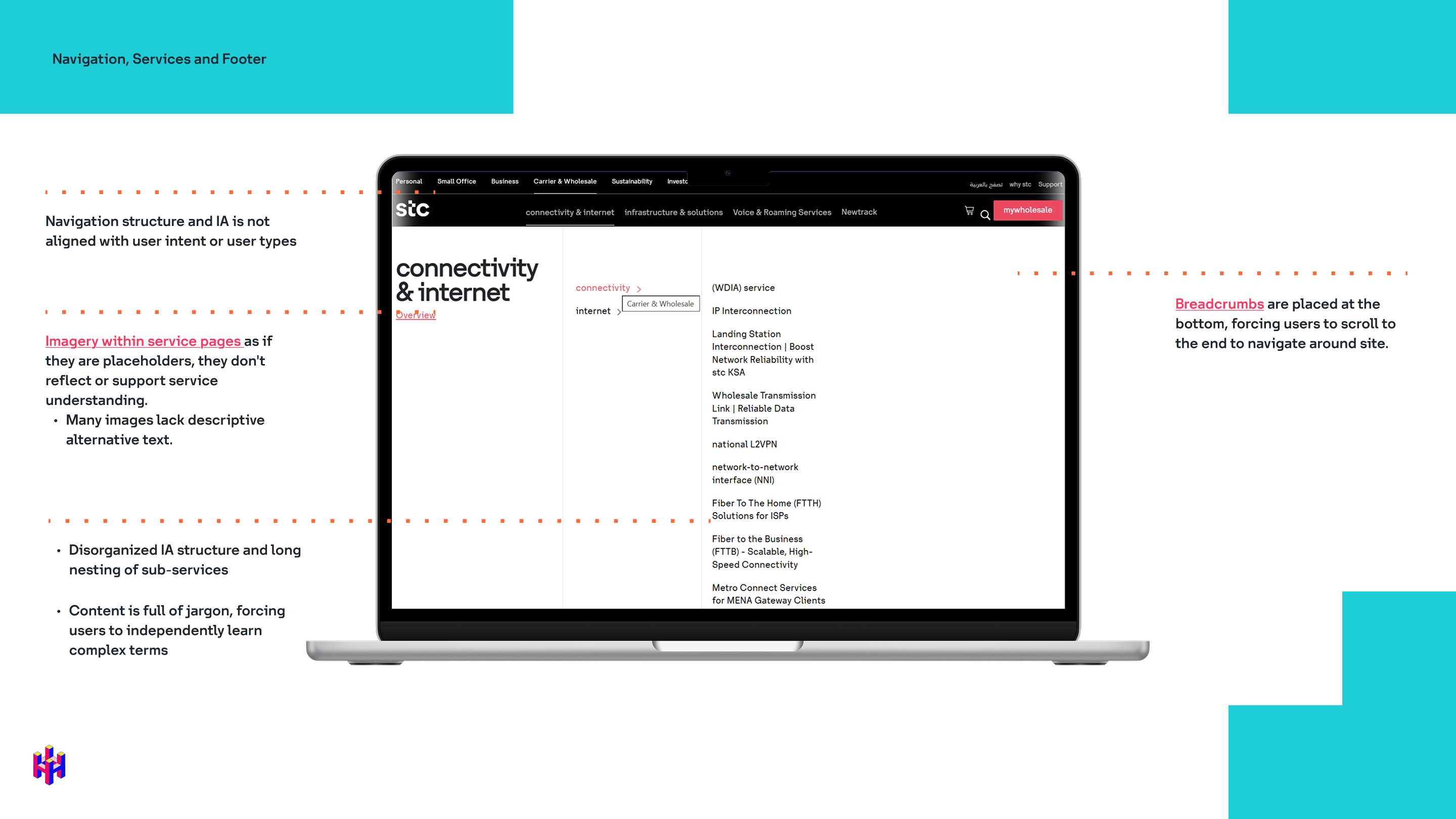
This audit evaluates how effectively the stc Carrier & Wholesale portal communicates its value, supports enterprise decision-making, and converts interest into qualified leads. It identifies gaps in usability, content clarity, accessibility, and trust-building, and translates them into actionable design and UX recommendations. The work demonstrates a structured approach to enterprise UX evaluation, including heuristic analysis, user journey mapping, SEO and accessibility assessments, and high-level design recommendations aimed at transforming a content-heavy portal into a strategic B2B acquisition platform.
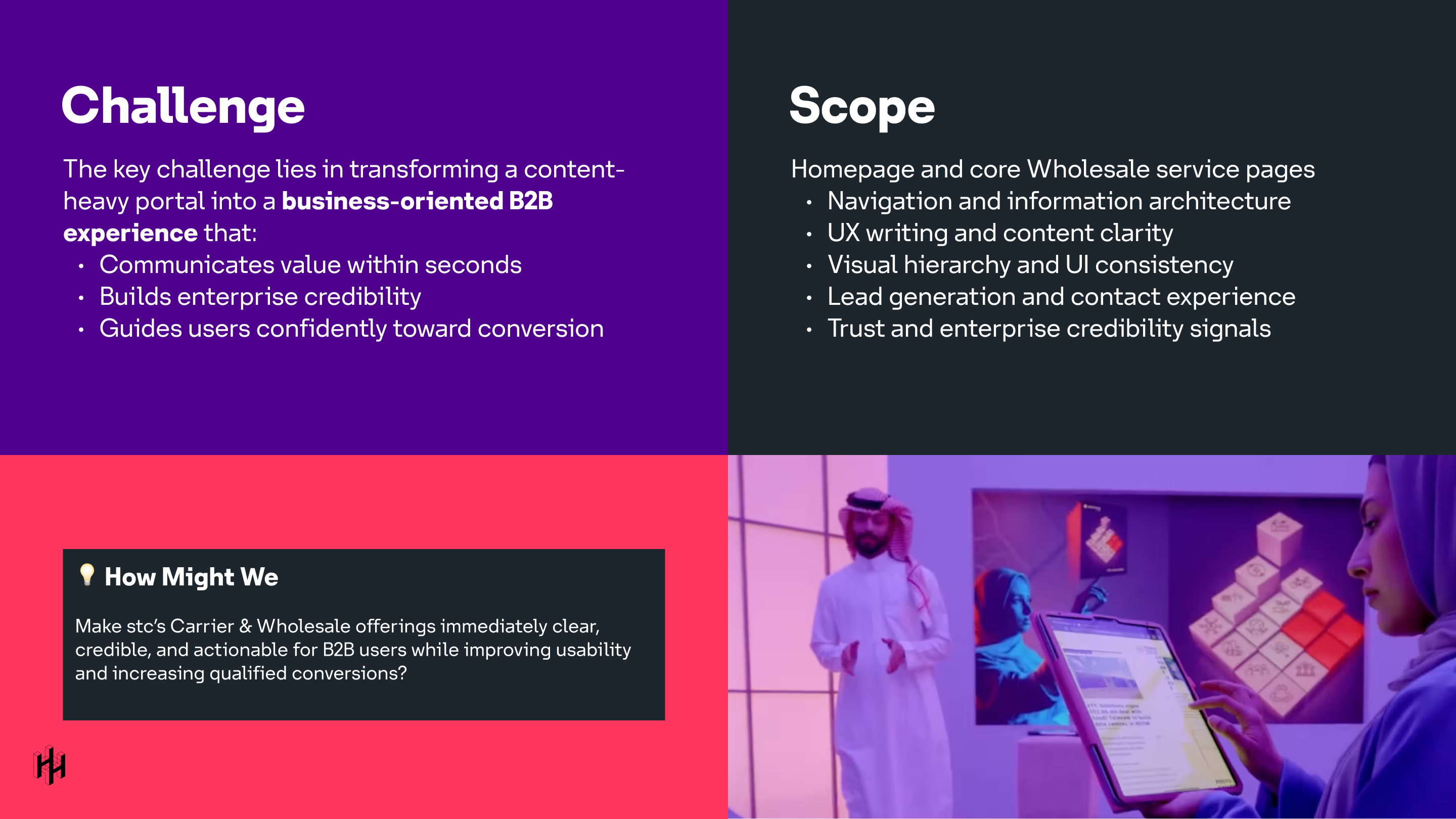
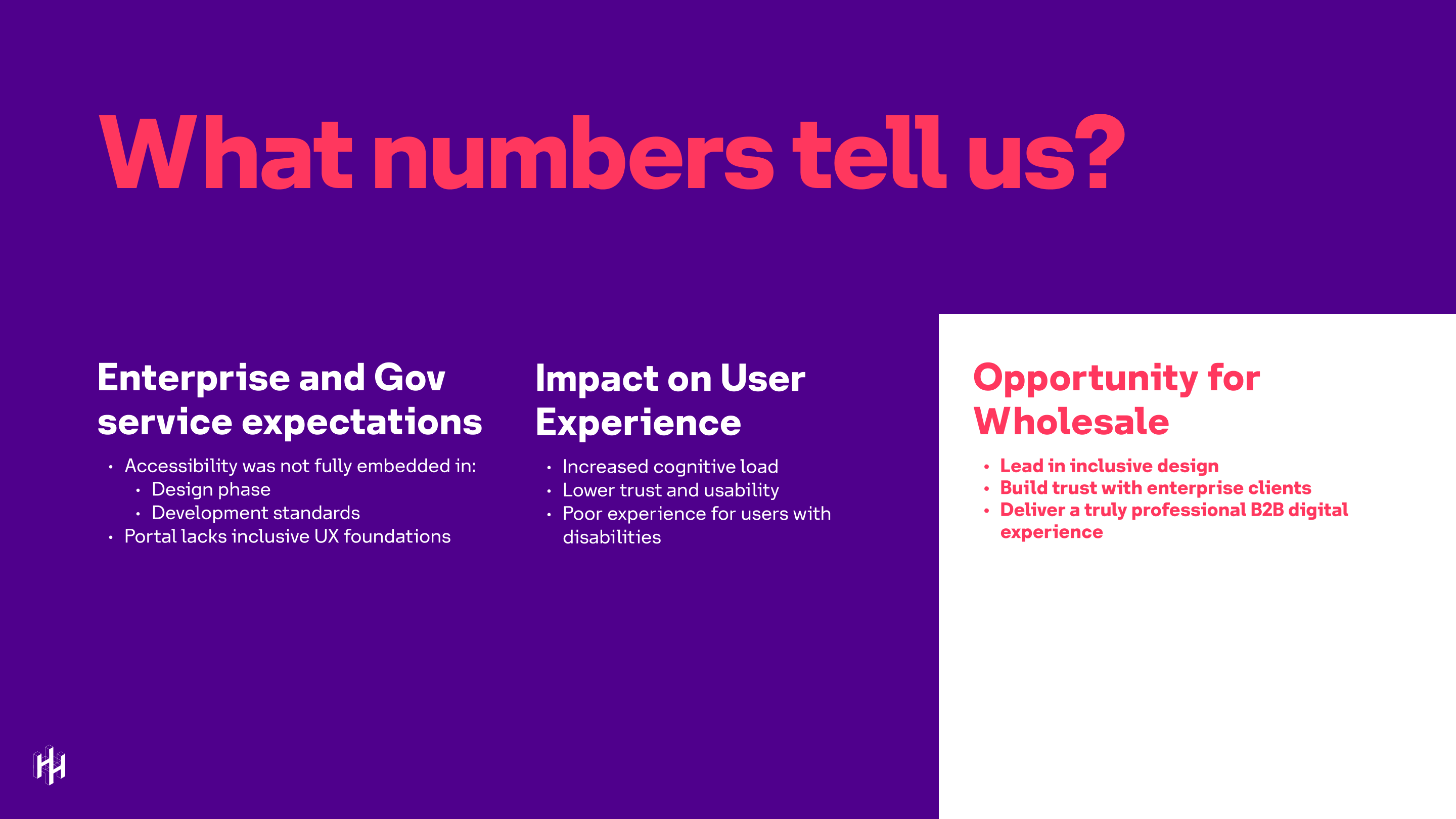
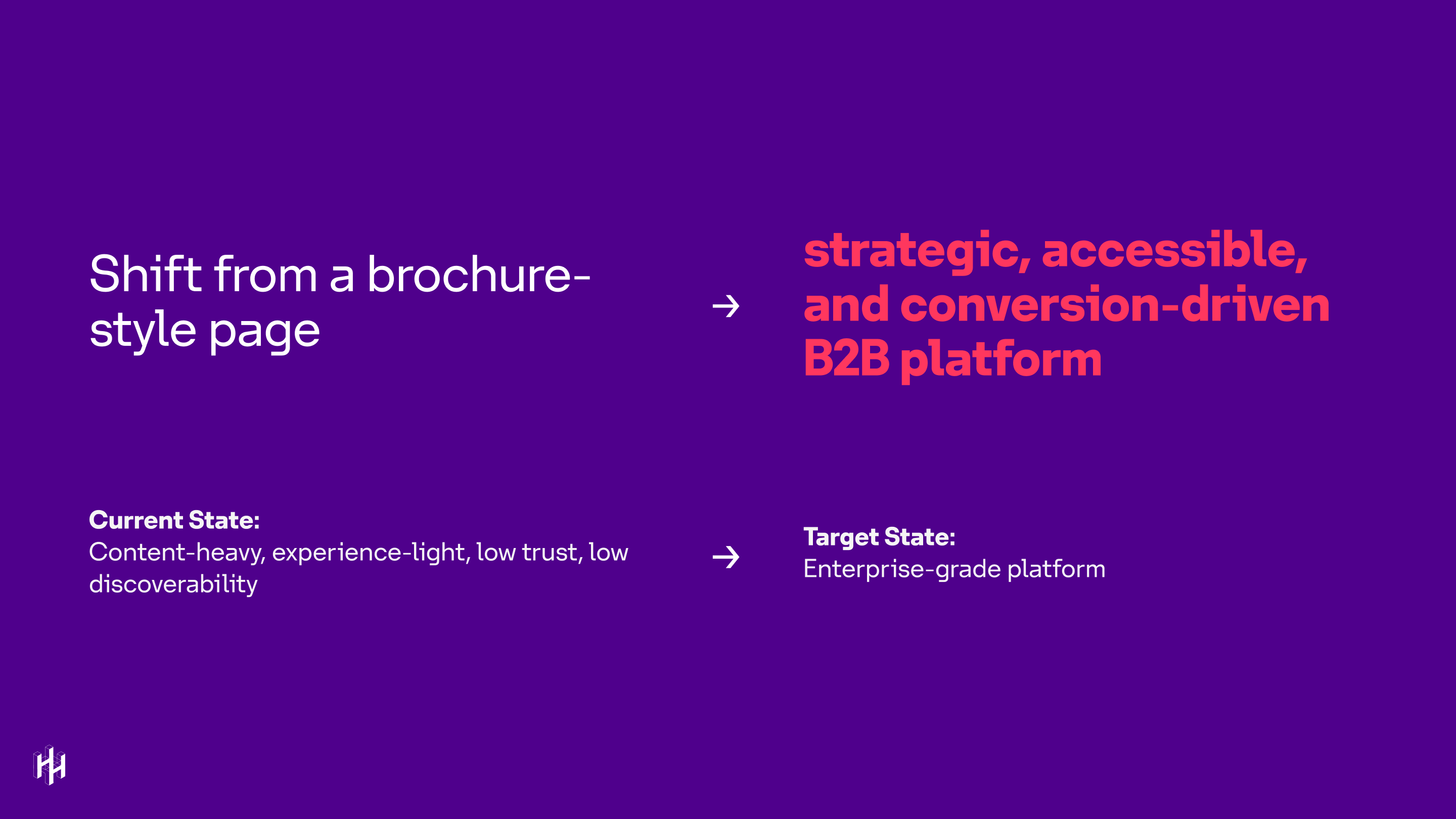
Telecom wholesale portals often serve complex B2B audiences with diverse technical and commercial needs. In this case study, the key challenge was to transform a content-heavy and marketing-driven portal into a clearer, trust-focused, and conversion-oriented experience.
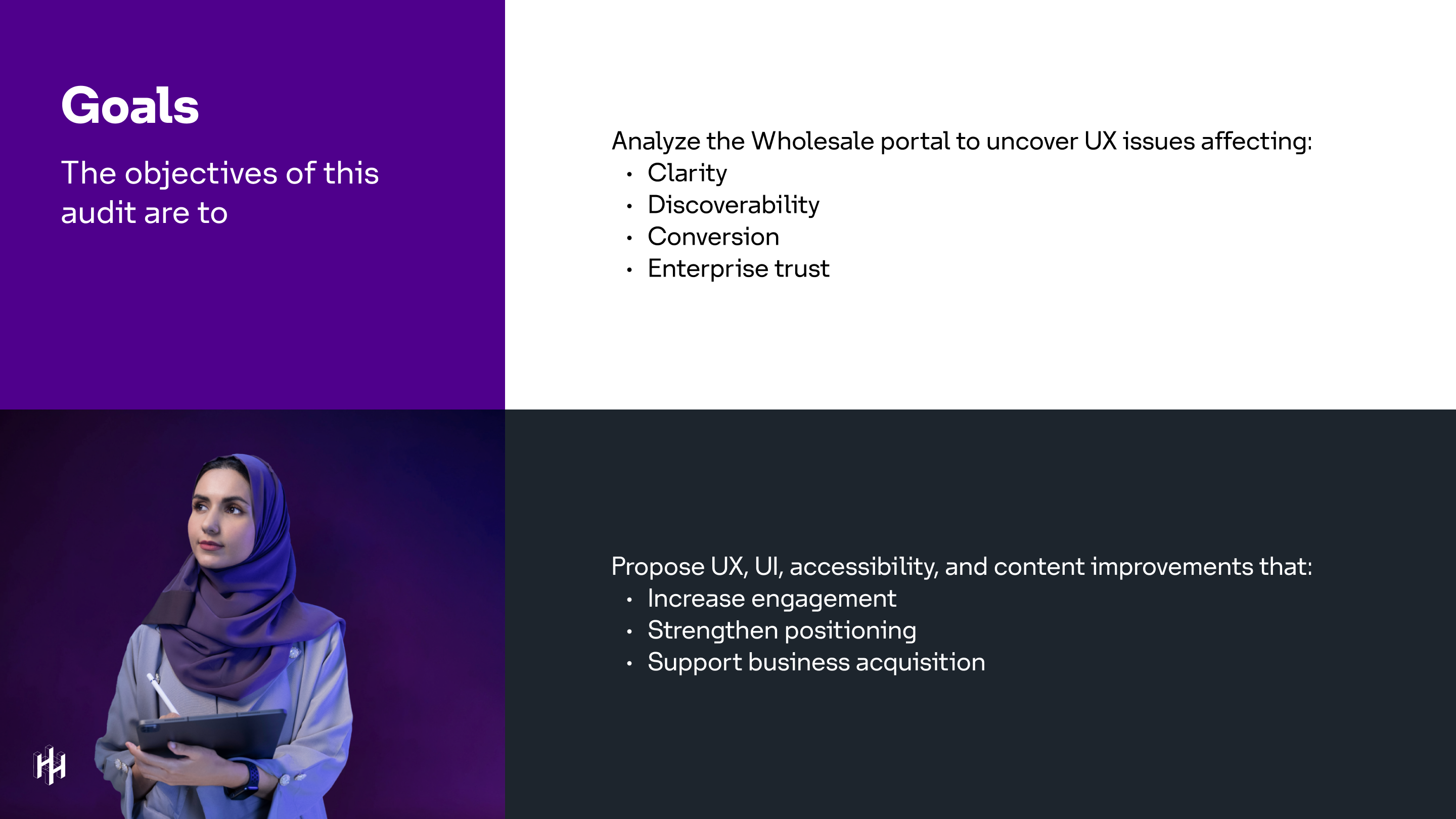
The goal was to help enterprise users quickly understand the value of wholesale services, navigate offerings based on their business intent, and confidently initiate engagement.
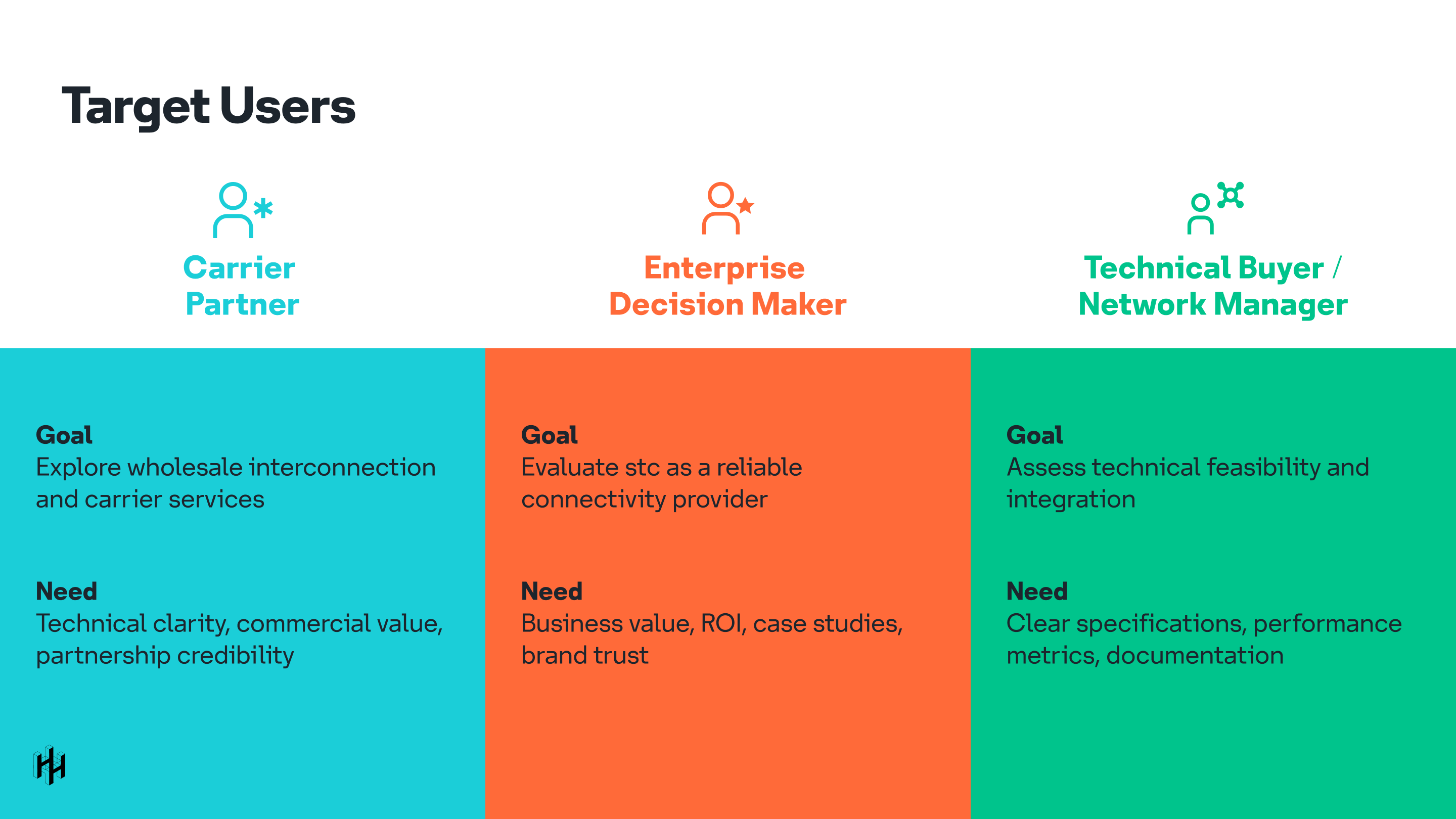
This hypothetical case study focuses on key B2B decision-makers and technical stakeholders who engage with telecom wholesale services. The primary user groups considered include Enterprise Decision Makers, Carrier Partners, and Technical Buyers / Network Managers.
To maintain a focused and simplified scope, this study primarily examines the experience from the perspective of Enterprise Decision Makers, who are responsible for evaluating business value, building trust in the provider’s capabilities, and initiating engagement or conversion decisions.
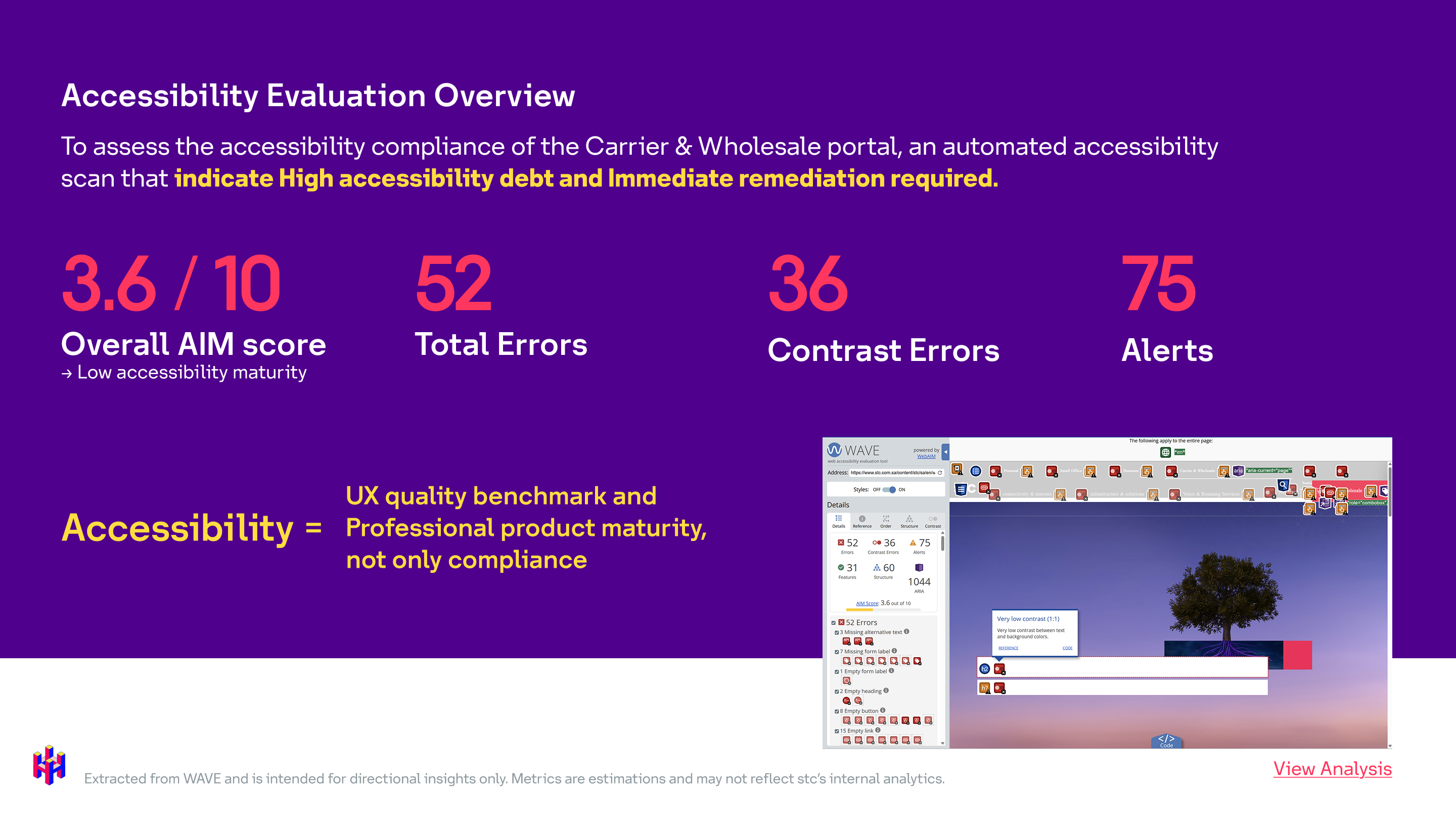
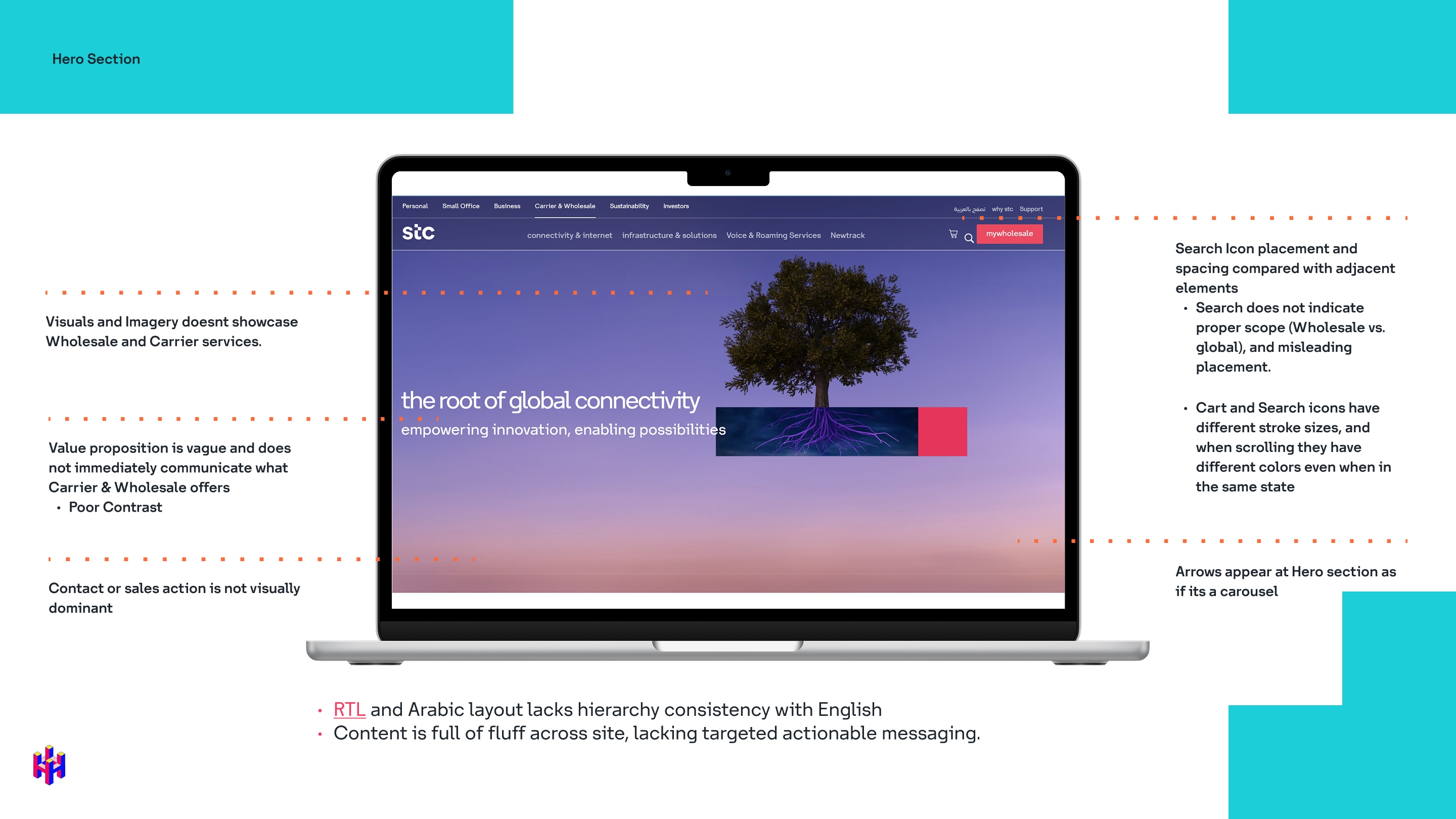
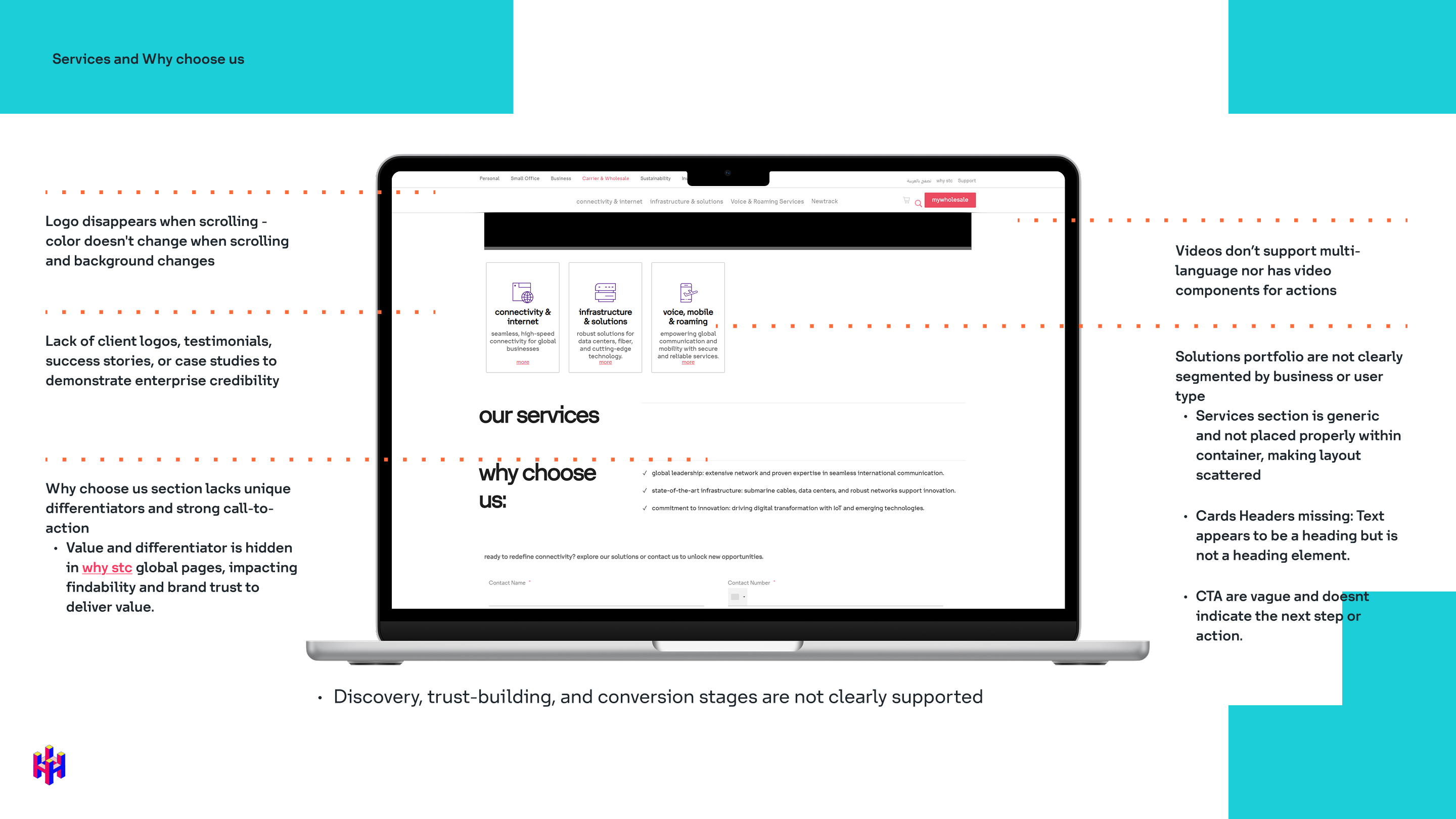
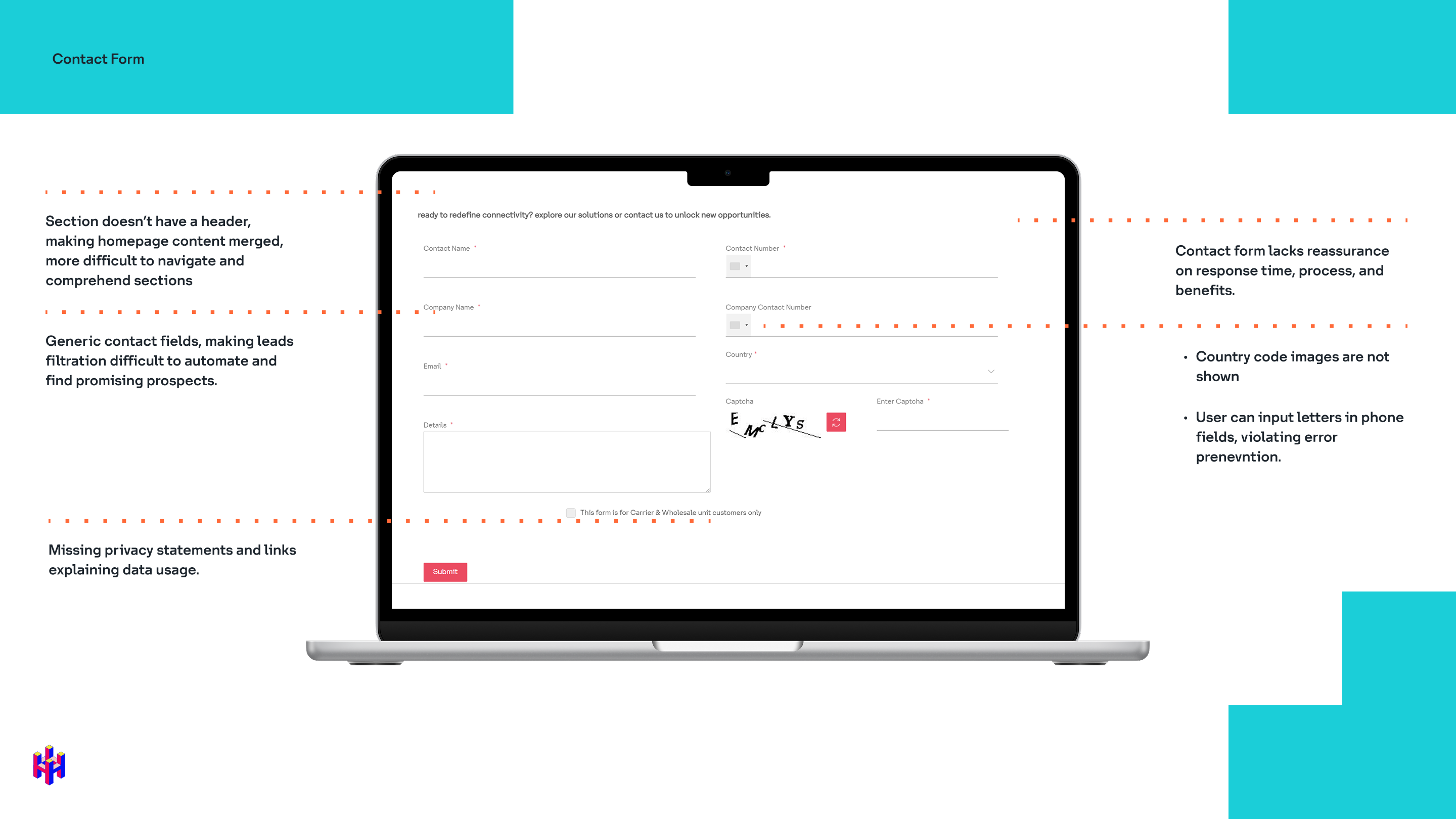
This conceptual audit focused on evaluating the front-end digital experience of a telecom wholesale portal. The scope included reviewing homepage clarity, information architecture, service discovery flows, UX writing quality, visual hierarchy, accessibility compliance, and conversion touchpoints such as contact forms.
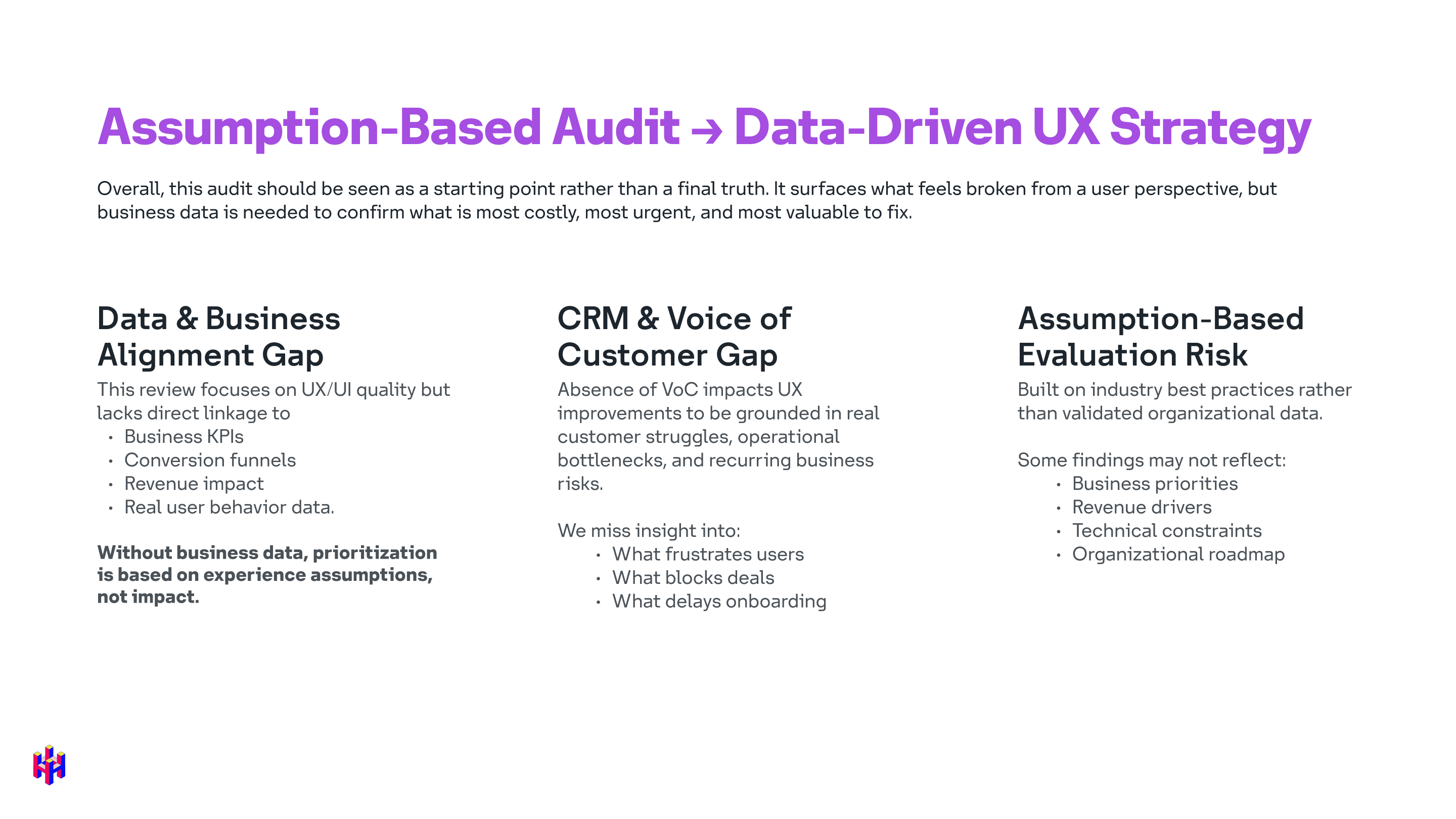
The assessment did not cover internal systems, sales operations, CRM workflows, or proprietary analytics, and was conducted using publicly available information and UX evaluation frameworks.
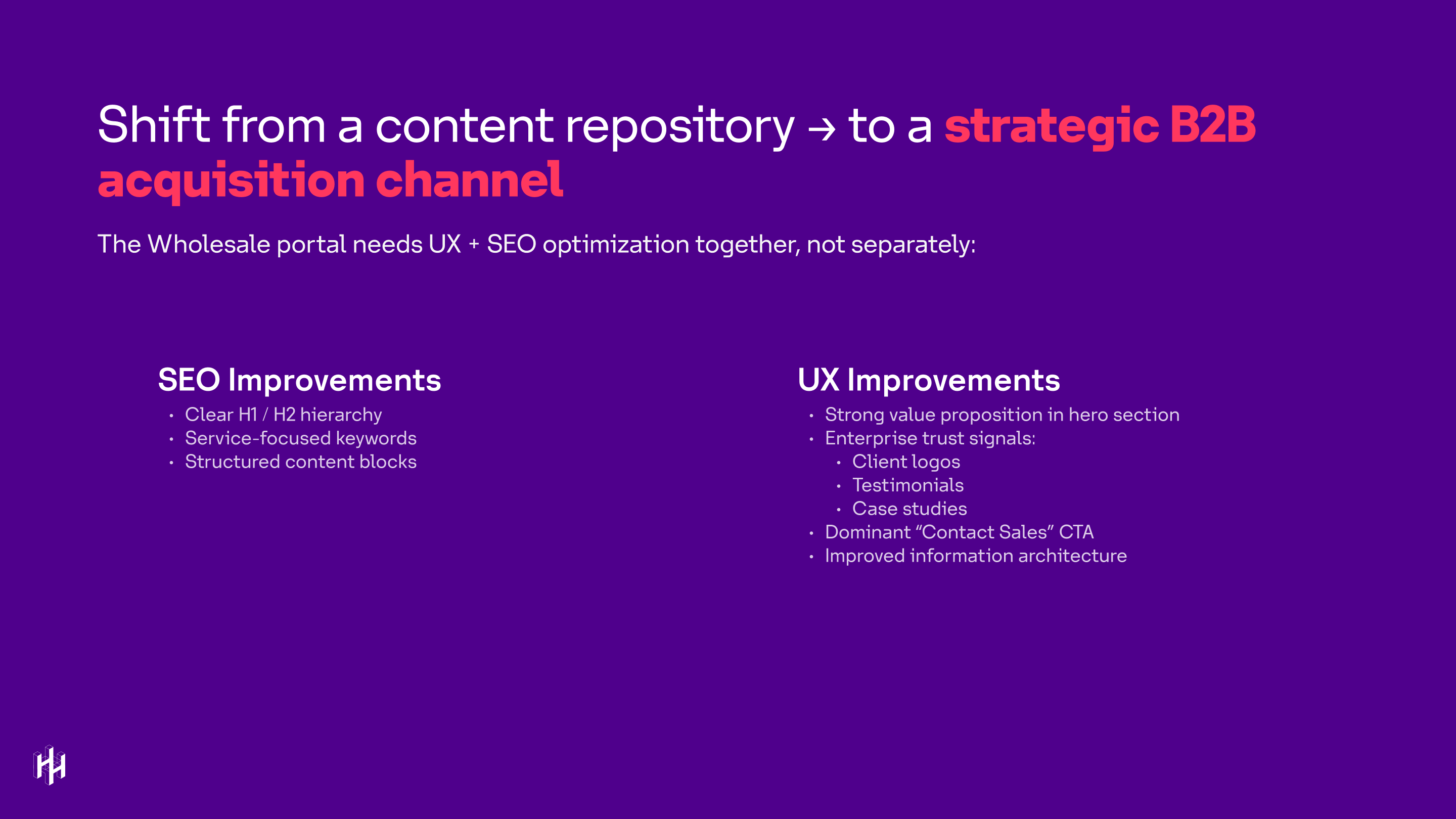
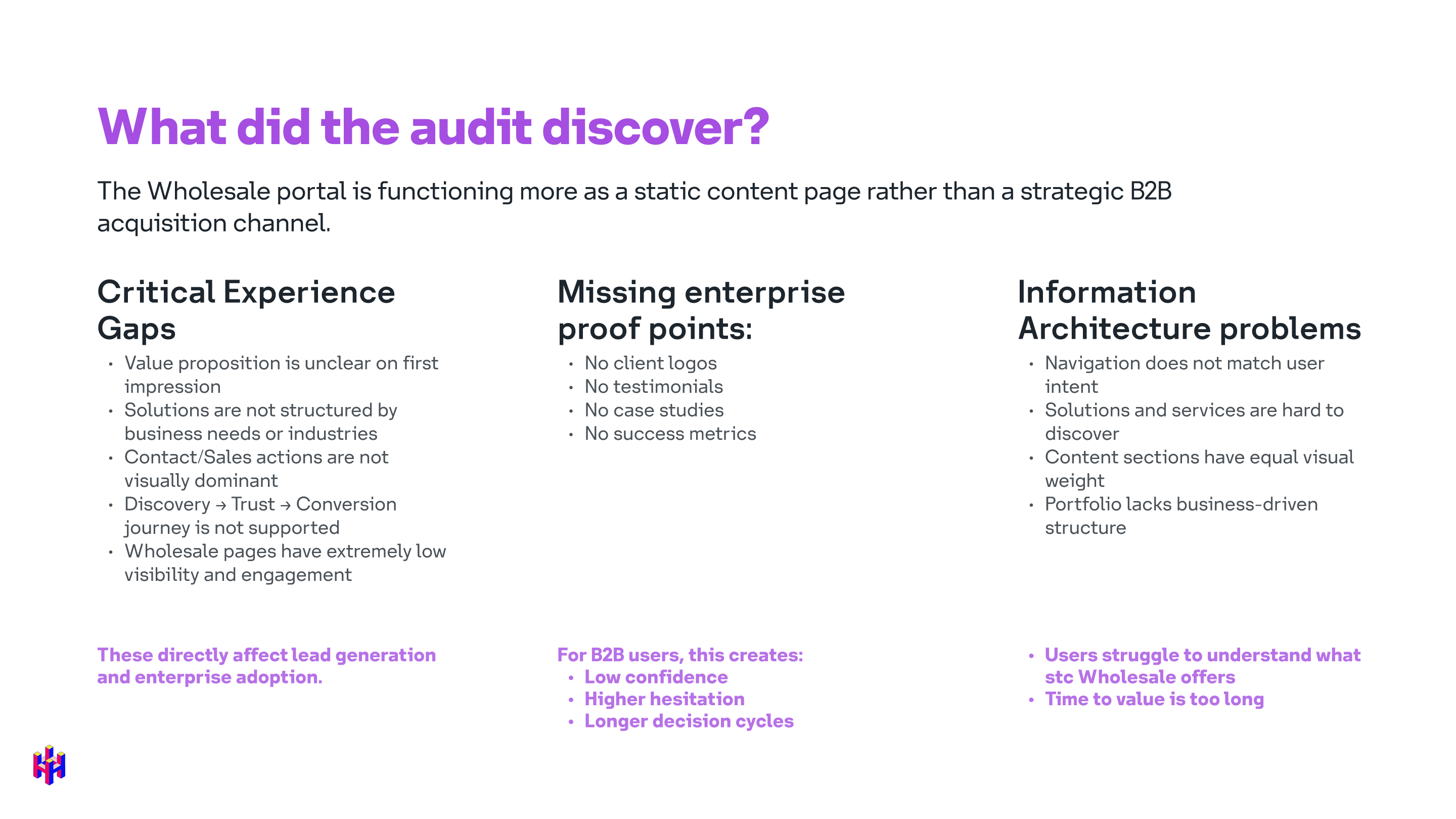
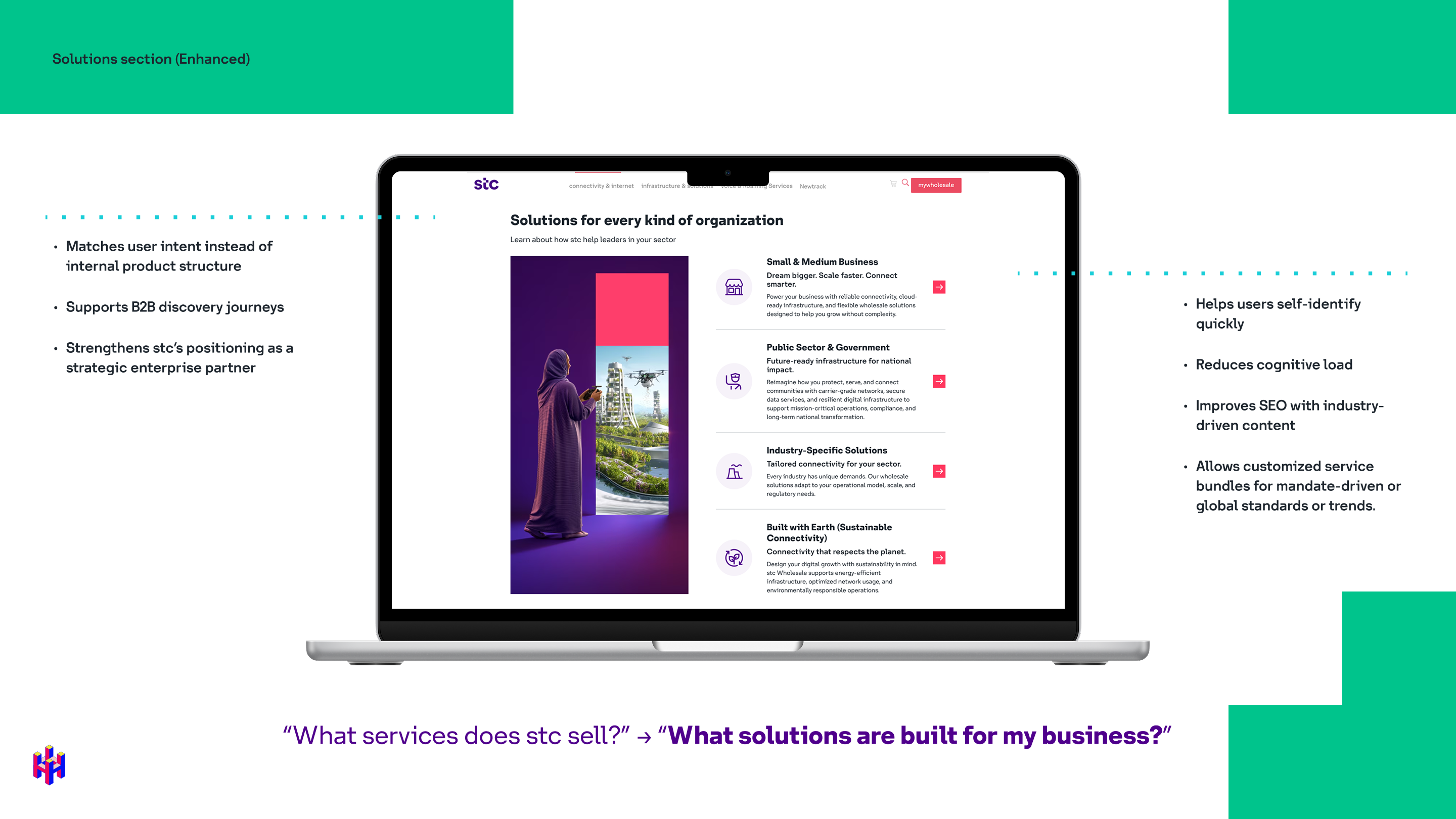
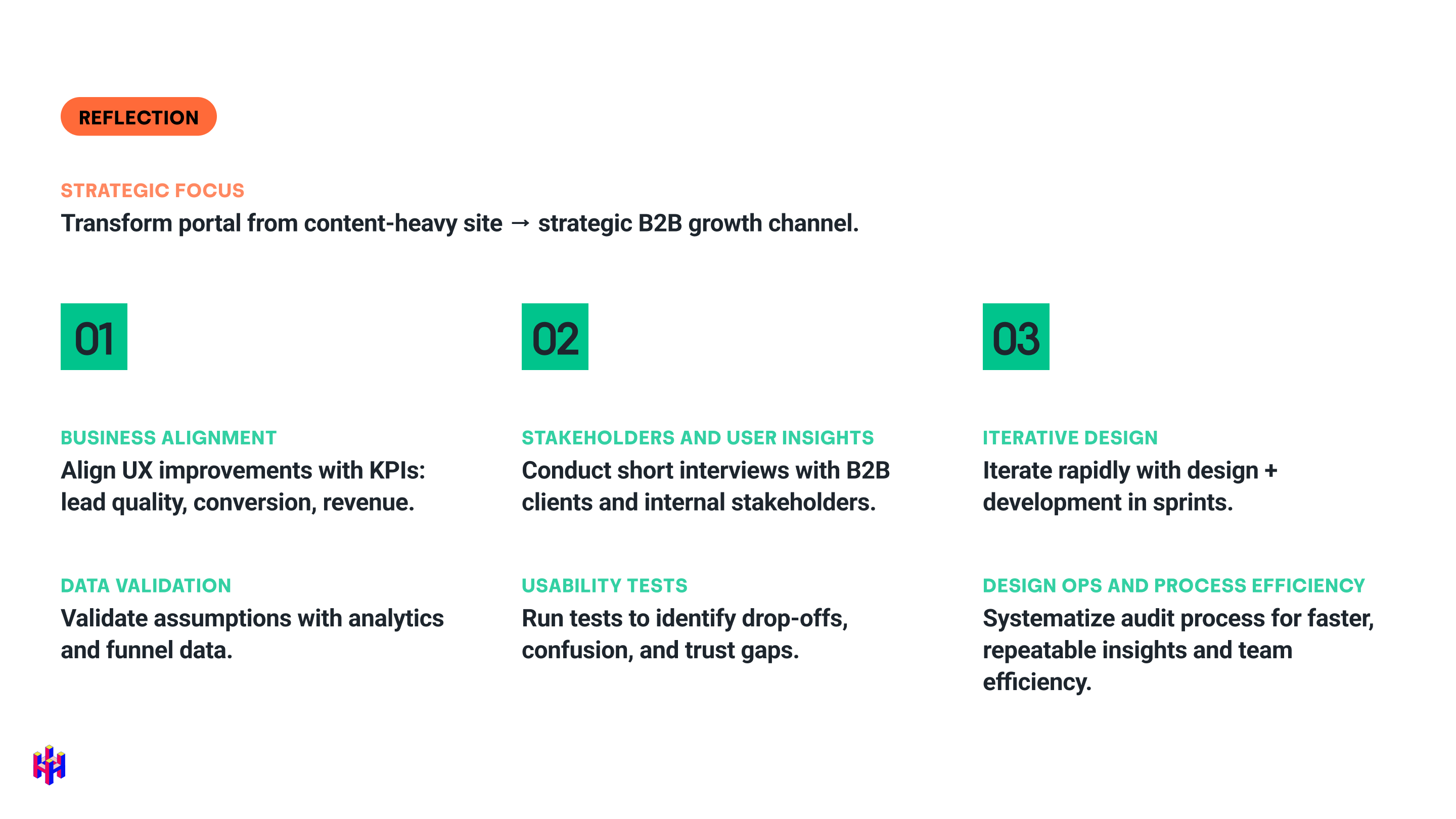
The study identified an opportunity to reposition the portal from a static information page into a strategic B2B acquisition channel. This transformation highlights how experience design can directly contribute to discoverability, engagement quality, and lead generation in enterprise digital products.
Demonstrated a scalable audit methodology connecting UX improvements to B2B acquisition outcomes, positioning the portal shift from a static content repository to a strategic, conversion-driven enterprise platform.

Customer support operations were fragmented across workflows, tools, and teams—leading to inconsistent resolution, operational inefficiencies, and poor customer experience. This project focused on defining a structured roadmap to align support as a scalable, high-impact service.

Facilitated cross-functional workshops to deconstruct how support operates across user journeys. Transformed fragmented, tribal knowledge into a structured system of root causes, decision logic, and resolution flows, revealing gaps between product experience and operational reality.

Complaints are often treated as isolated incidents—but in reality, they unfold as multi-stage journeys shaped by interactions, systems, and emotions. This project reframed complaints as a service journey, uncovering systemic breakdowns and transforming a fragmented, ticket-based model into a contextual, SLA-driven system—reducing resolution time and improving efficiency, clarity, and overall experience.
Let’s talk and design whats next.
