
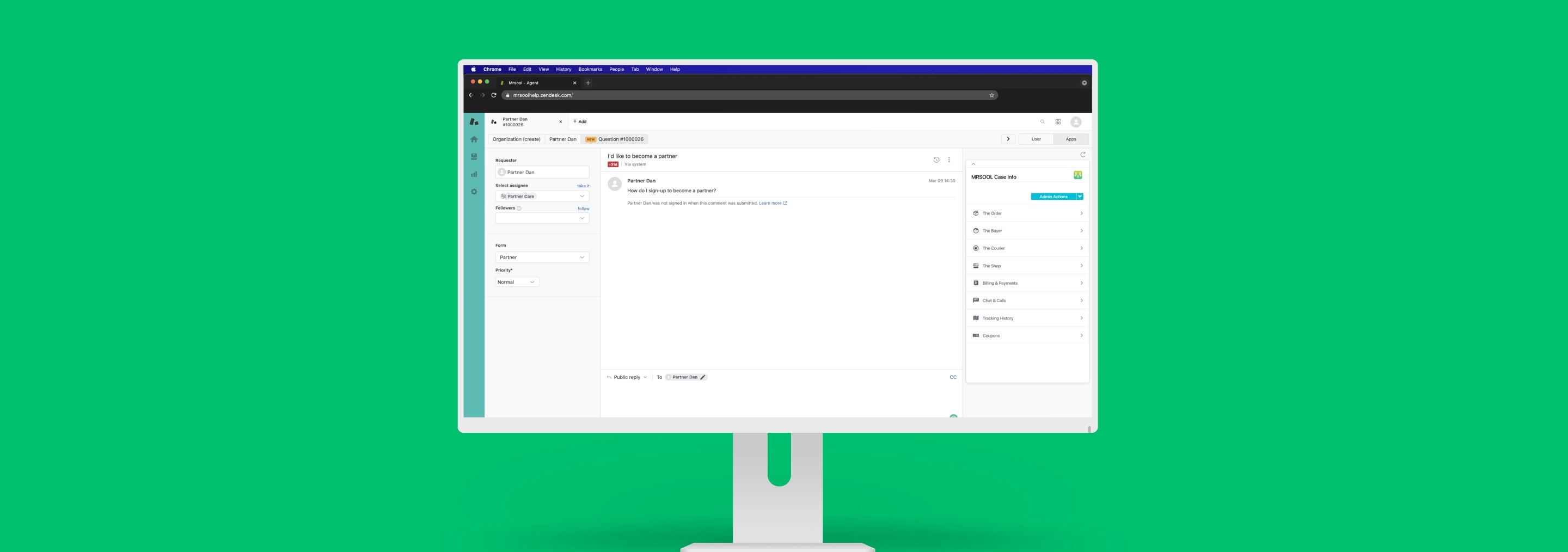

Mar - Oct 2021
Support operations relied on fragmented systems and manual processes, causing delays and operational strain. This project introduced a structured, context-driven agent experience, improving resolution speed, significantly improving agent efficiency, enabling more scalable support operations, and service reliability
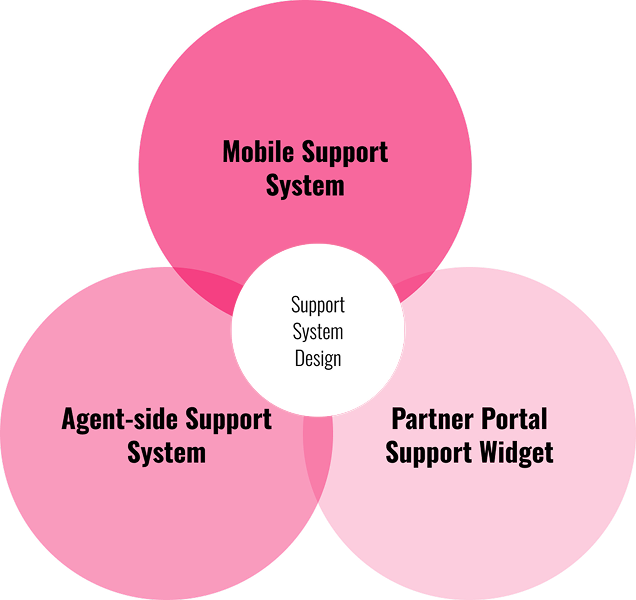
A three-phase initiative to build a comprehensive support ecosystem for all primary service actors — starting with the Mobile Support System for customers and couriers, followed by the Partner Portal Support Widget for merchants, and culminating in the Agent-Side Support System to empower agents in resolving complaints effectively in Zendesk.
A key milestone in this transformation was integrating Zendesk across all MRSOOL products, which streamlined workflows and enabled the team to handle the COVID order surge successfully. This integration significantly boosted the support solve rate, aligning it with leading delivery-app benchmarks.
Support agents at MRSOOL operated in a fragmented environment, relying on manual workflows and disconnected tools to investigate and resolve complaints. Agents had to navigate multiple back-office systems and external channels (e.g., Telegram) to gather context—resulting in delays, inefficiencies, and inconsistent resolution quality.
These challenges were amplified during the COVID-19 order surge, where a significant increase in complaints across customers, couriers, and merchants placed heavy strain on support operations. Without a structured system, agents were forced to manually piece together information to identify root causes and determine appropriate resolutions, impacting both agent productivity and overall service reliability.
Primary: MRSOOL Support Agents responsible for investigating and resolving user tickets through new Agent experience in Zendesk.
Secondary: Internal operations and tech teams who depend on streamlined ticket resolution for improved service delivery.
How might we equip support agents with a centralized, structured system that gives them the data and tools they need to efficiently resolve user complaints—without relying on manual workarounds or external platforms?
The research identified root causes: lack of a centralized, context-aware system, inspiring to shift focus from UI fixes → workflow and system redesign.
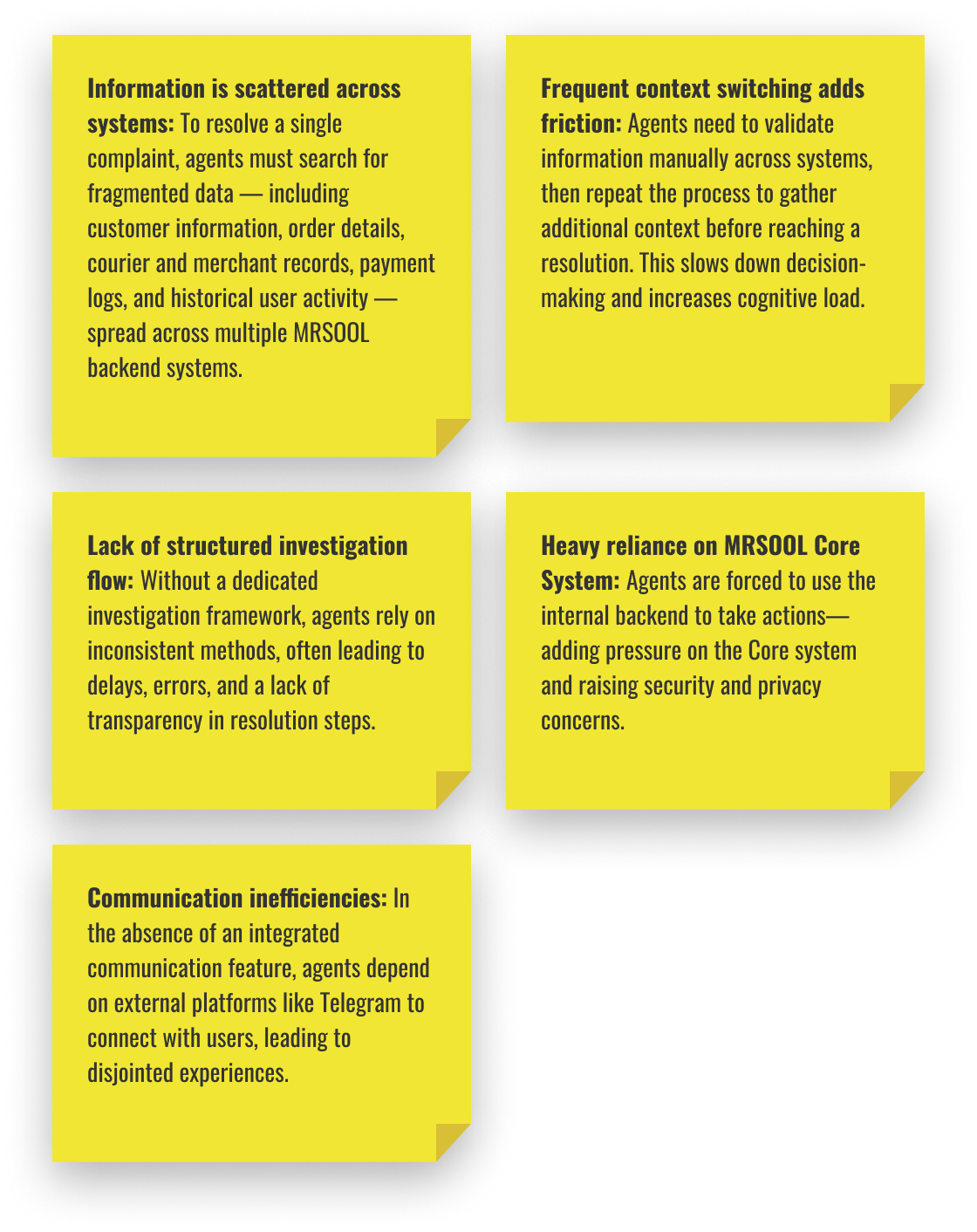
Synthesized user research and agent insights to understand how support operations functioned in practice. Agents were navigating fragmented systems, switching between multiple tools to gather data (customer, order, courier, payments), while relying on external channels like Telegram for communication.
This revealed a system that was:
Benchmarked Zendesk custom apps and industry patterns to understand how similar systems structure data, actions, and workflows, informing a scalable approach tailored to MRSOOL.
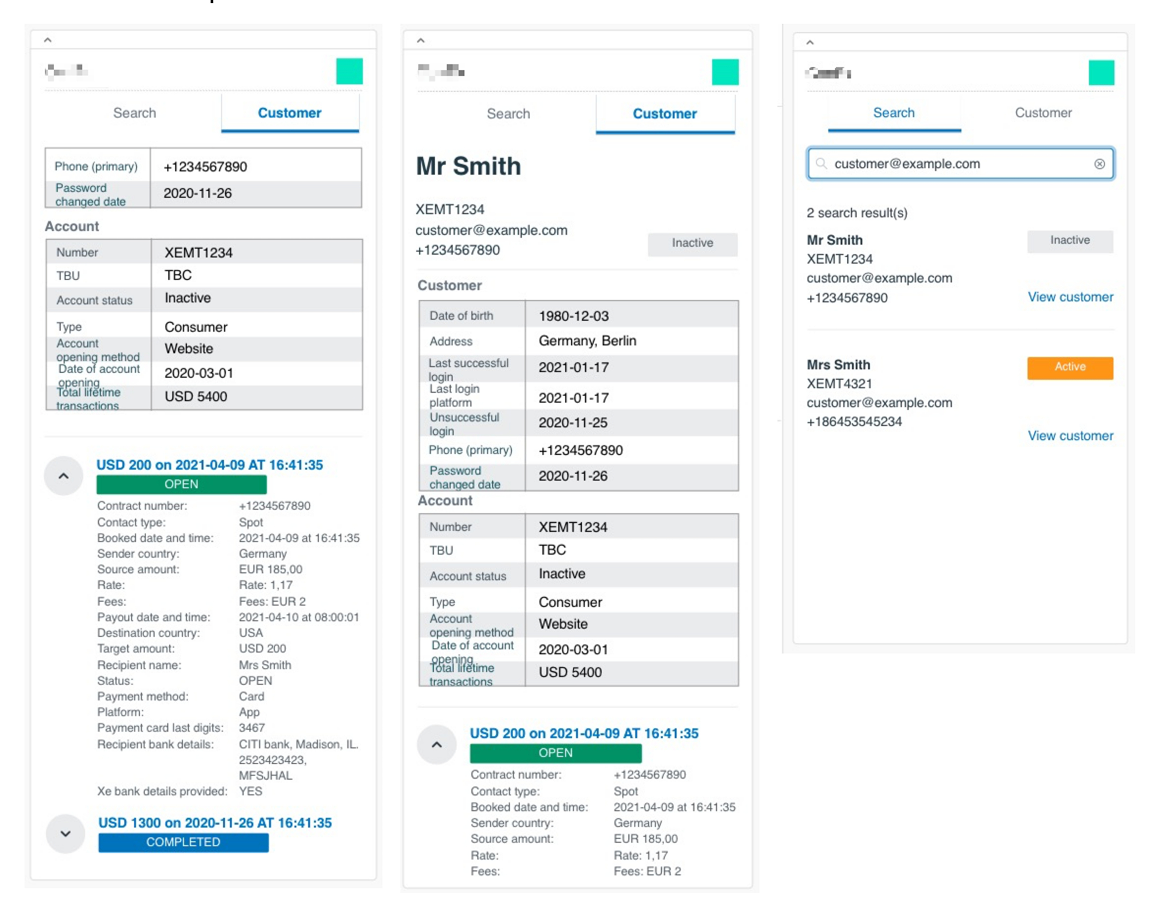
Constraint and Tradeoff: Needed to work within Zendesk ecosystem and existing backend systems, and components.
Created a holistic view of support operations, exposing inefficiencies and gaps, enabling definition of a clear structure for what data and actions agents actually need.
Mapped the AS-IS support system, covering:
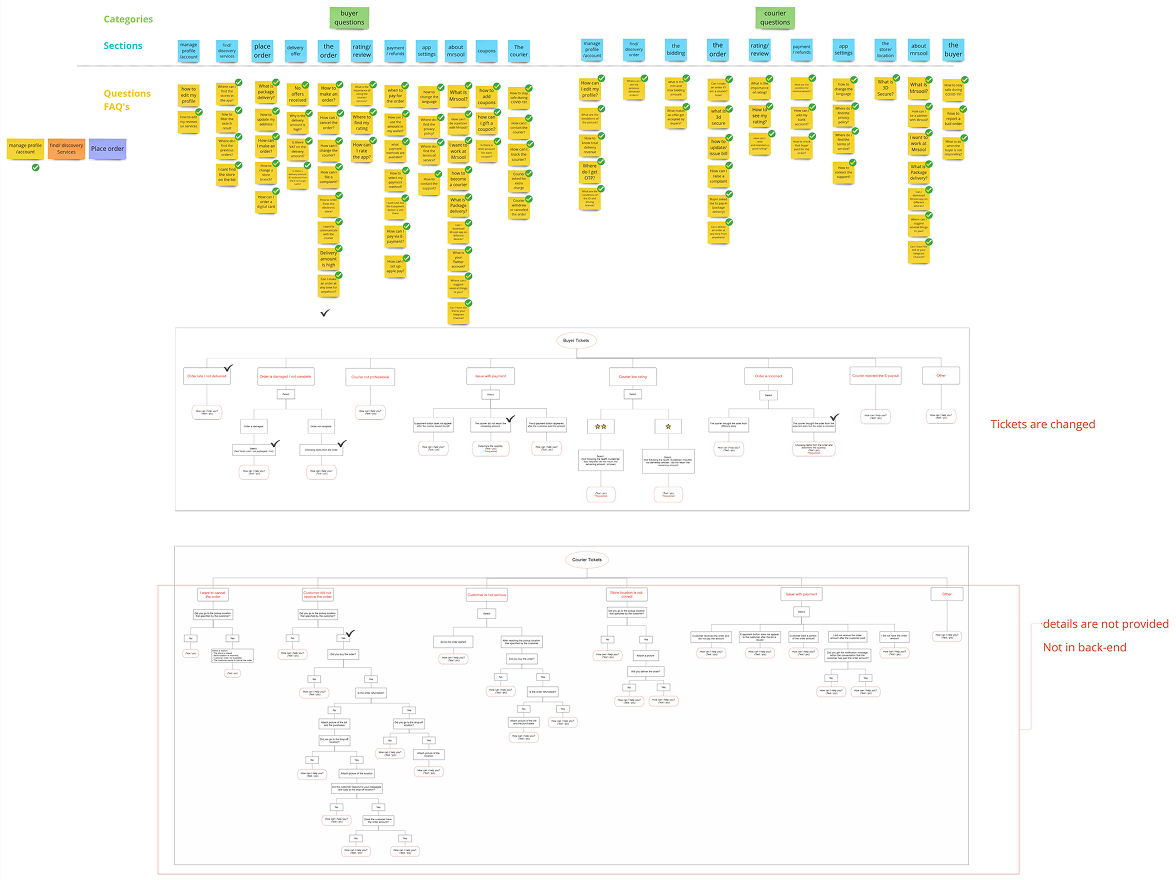
In parallel, audited backend datasets (customer, courier, merchant, order, payments, complaints history) to define what information is essential vs redundant. A Tradeoff emerged in this step is to balance completeness vs usability, selecting only high-value data to avoid overwhelming agents, and overloading new agent view in Zendesk.
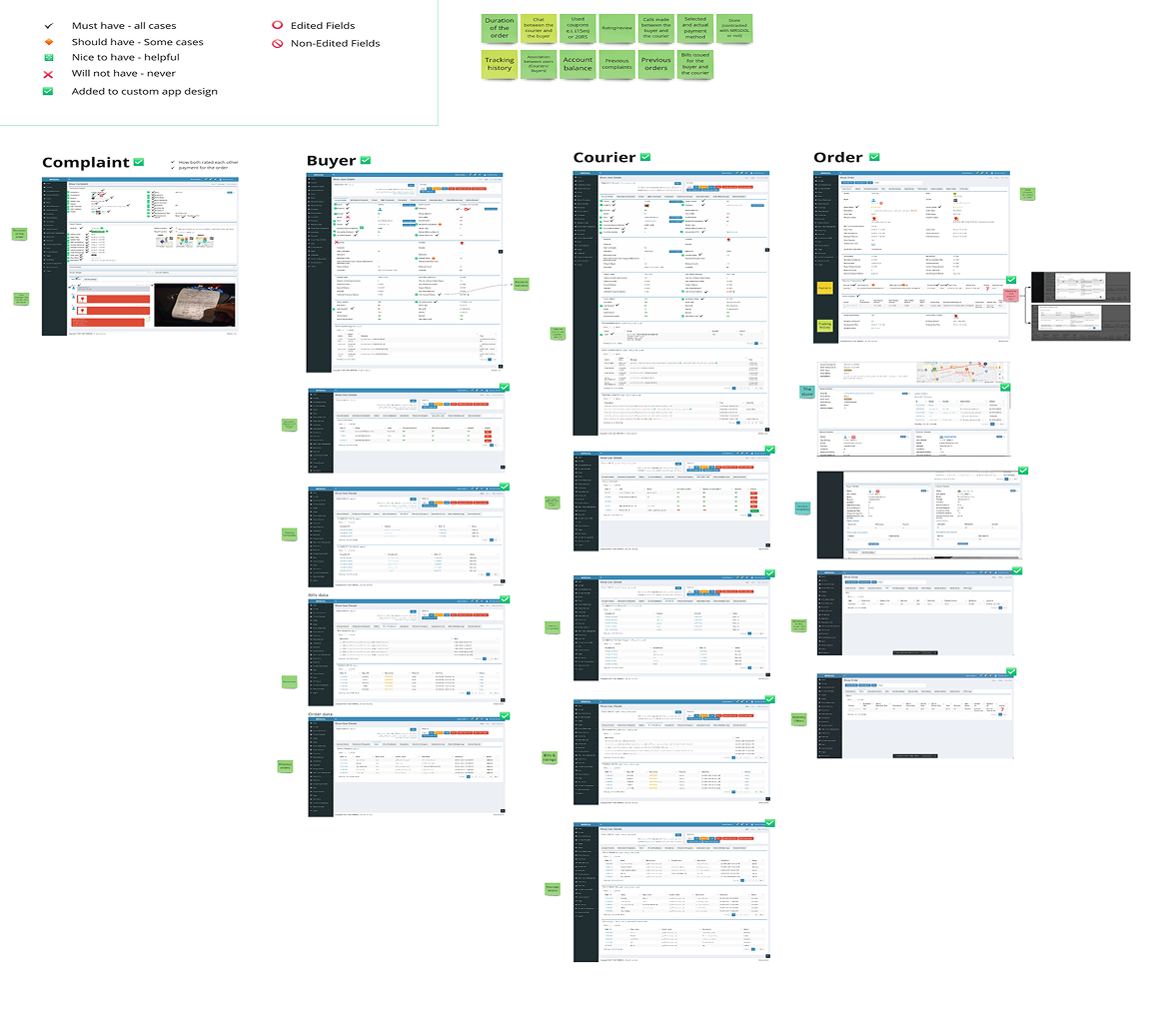
Mapped all agent actions (e.g., escalate, block, resolve), linking each to:
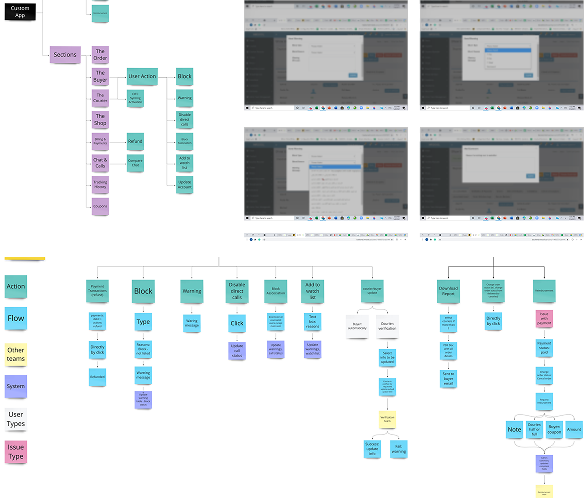
Building on top of MRSOOL’s mobile support complaint structure, expanding the Information Architecture to include system-fetched data, user-submitted inputs, and agent-side actions per complaint type. This created a unified structure that became the foundation for designing the custom app experience.
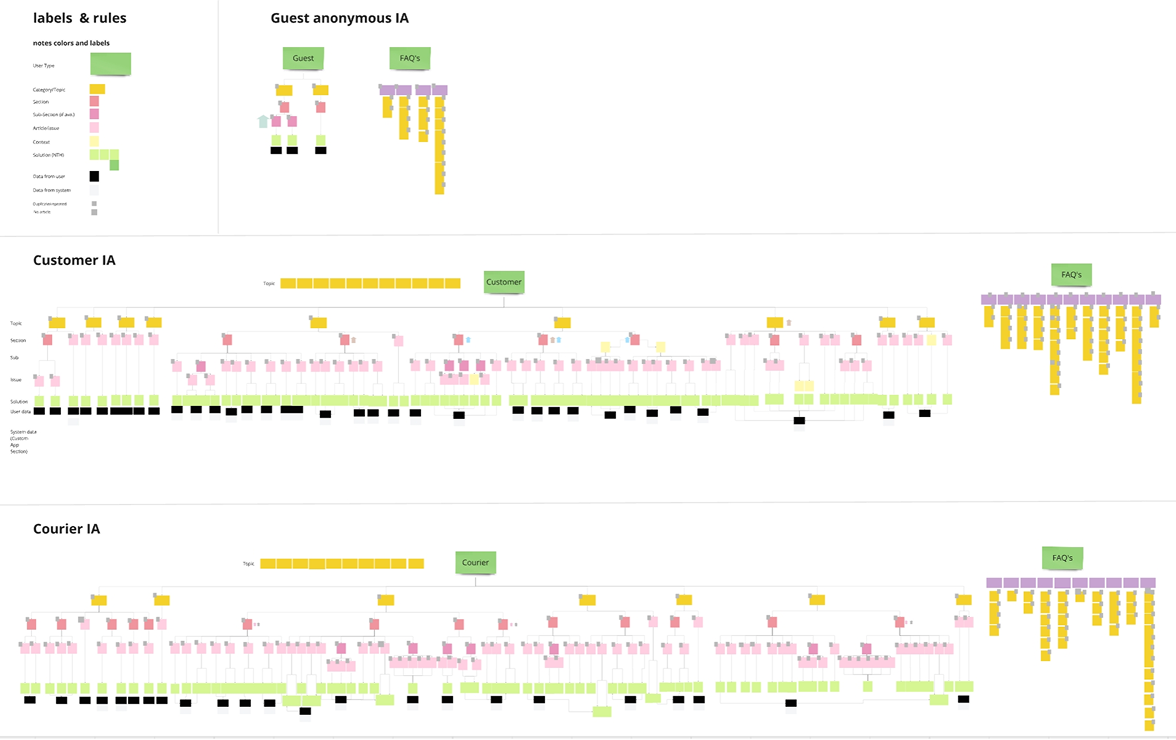
The goal is reduced agent cognitive load during ticket investigation, enable faster and more accurate decision-making, and ultimately transform the system into a context-driven workflow engine for a more reliable support experience.
Introduced a modular logic model, where each complaint type dynamically surfaces only:
For example, courier-related issues surface courier data only—removing unrelated information.
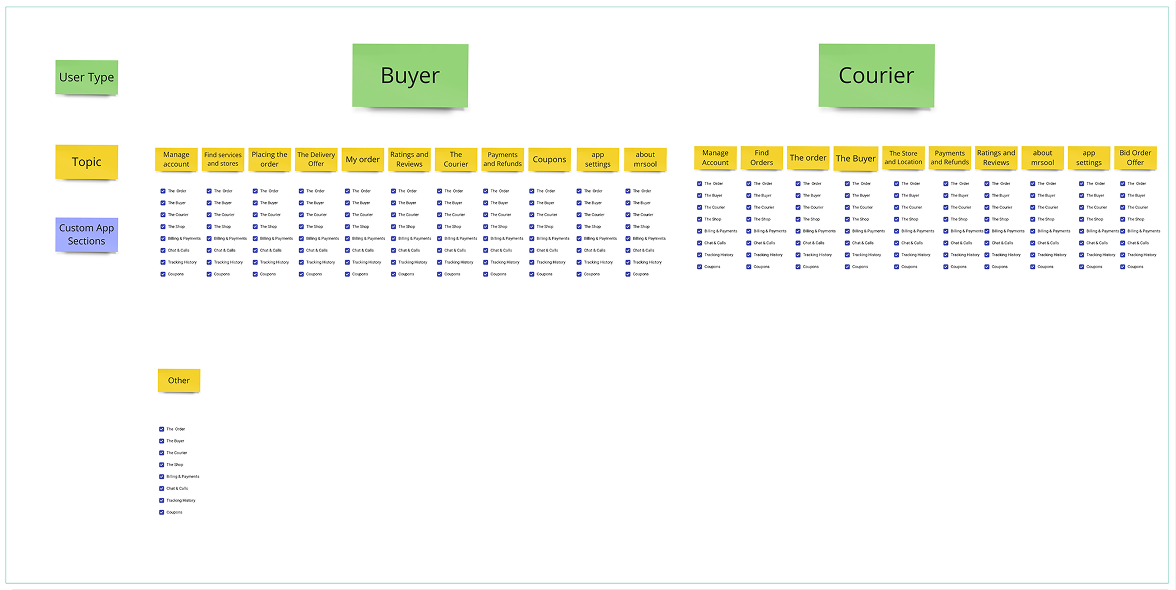
Initial wireframes were sketched in Miro to visualize the structure of the custom app within Zendesk’s environment. Translated system logic into agent-facing workflows, designing UI for:
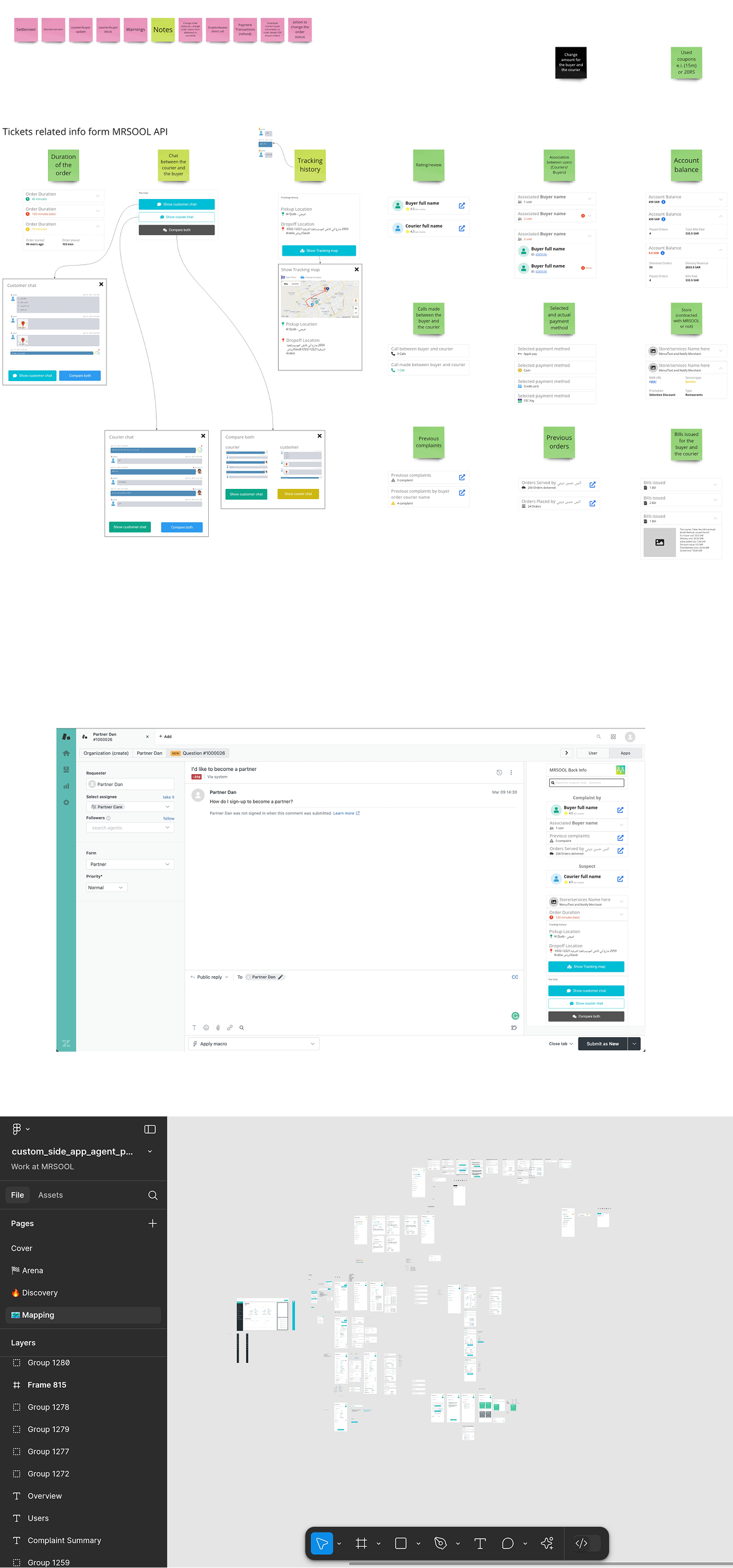
Designed the end-to-end agent flow, each section—Order, Courier, Merchant, Payments, Complaints History—was designed with focused agent flows to support navigation, data review, and action-taking. They ensure agents can:
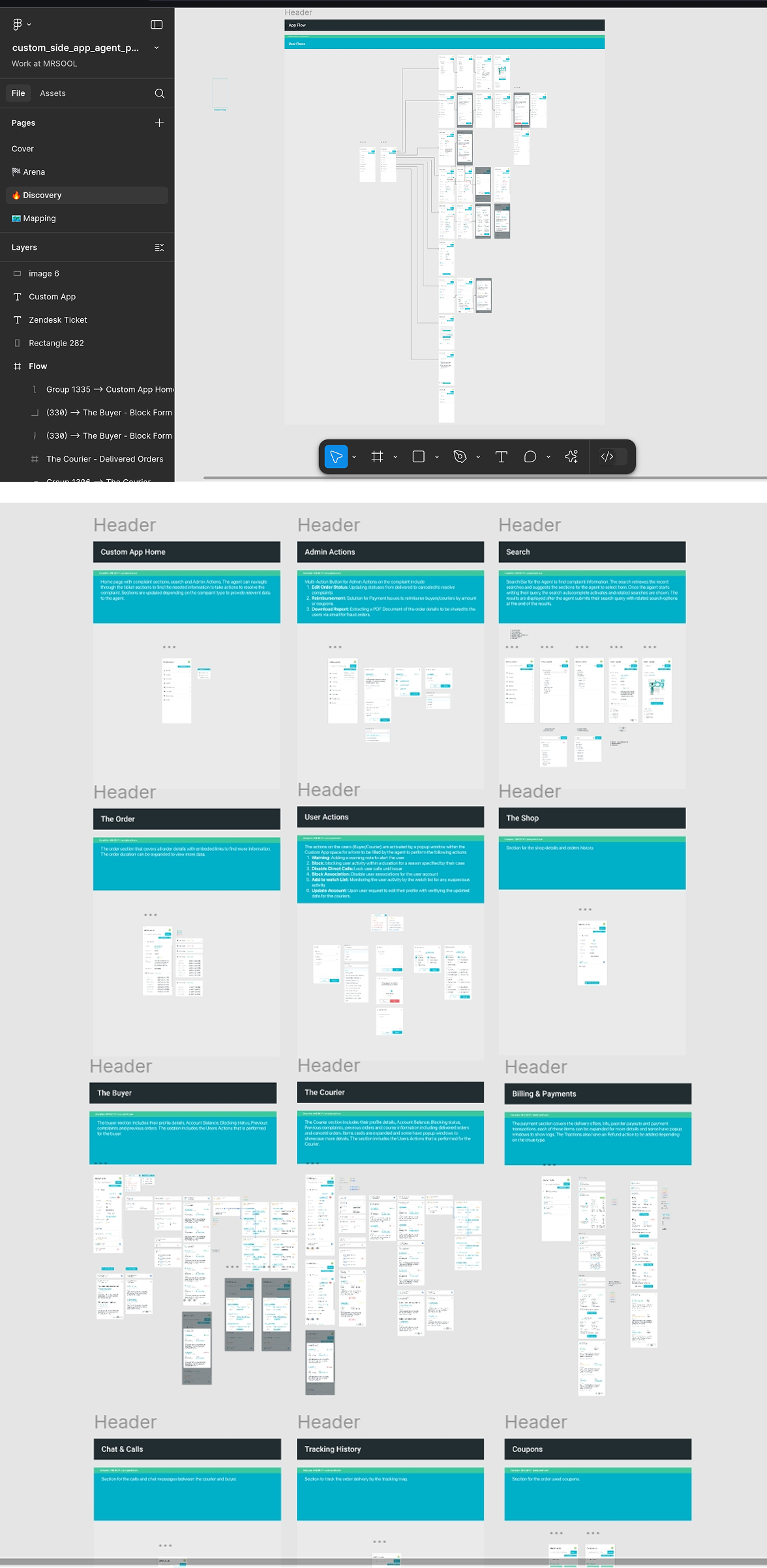
Constraint and Tradeoff: This scope version prioritized clarity and speed over adding advanced features early, while modular system creates space for future improvements as they emerge.
The design was reviewed with product and engineering teams to ensure feasibility and alignment with technical constraints. Based on feedback, we prioritized Scoped features into:
Once finalized, the design was documented and handed off to the development team with clear specifications, asset exports, and interaction details—ensuring a smooth transition from design to implementation.
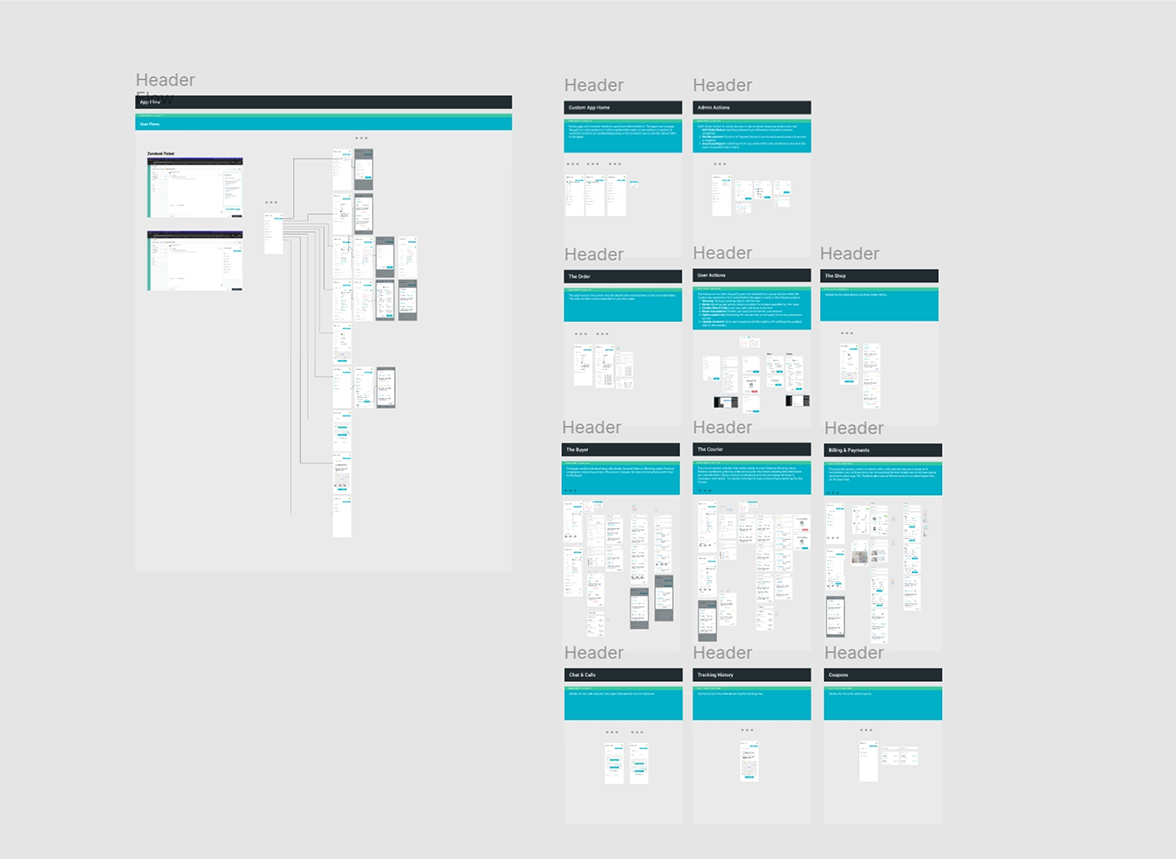
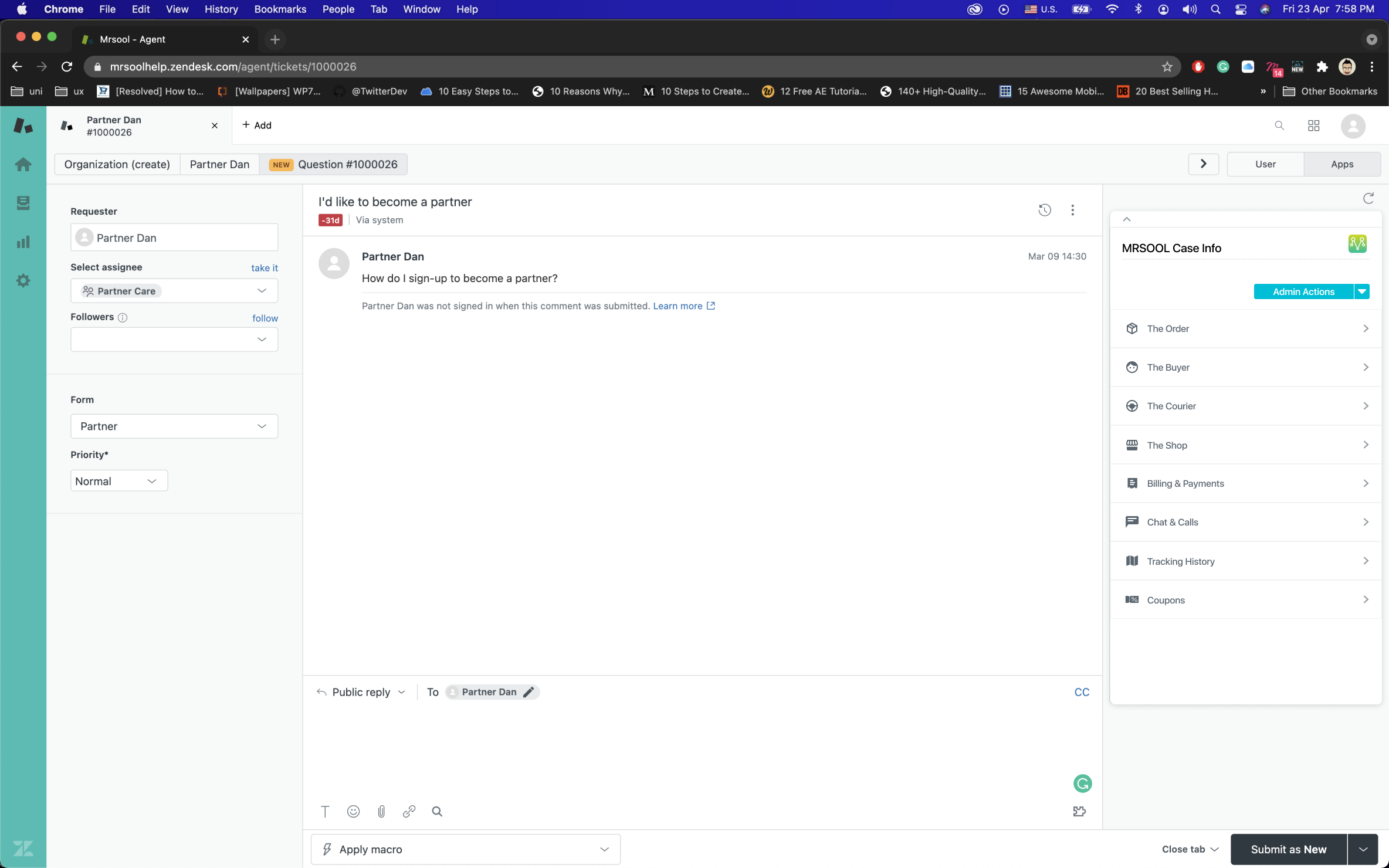
Successfully integrated the custom Zendesk app with MRSOOL platforms, enabling agents to handle all tickets within a centralized, structured environment.
Key Impact


Customer support operations were fragmented across workflows, tools, and teams—leading to inconsistent resolution, operational inefficiencies, and poor customer experience. This project focused on defining a structured roadmap to align support as a scalable, high-impact service.

Facilitated cross-functional workshops to deconstruct how support operates across user journeys. Transformed fragmented, tribal knowledge into a structured system of root causes, decision logic, and resolution flows, revealing gaps between product experience and operational reality.
Let’s talk and design whats next.
